
Donde las plantas se vuelven ruidosas, extrañas y maravillosamente informativas
🌵 El blog de Maravillas Salvajes
Bienvenido al blog oficial de Wild Wonders Oasis, tu fuente de referencia para datos curiosos sobre plantas, consejos expertos de cuidado, vistazos entre bastidores del vivero y el cactus ocasional con complejo de superioridad.
Aquí, nos adentramos en todo, desde rarezas caudiciformes y dramas de plantas carnívoras hasta trucos de estilismo de suculentas y consejos de cuidado estacional. Tanto si eres un coleccionista experimentado como un nuevo padre de plantas que solo intenta mantener las cosas con vida, tenemos información que querrás leer.
🪴 Nuevas publicaciones brotando regularmente.
Agarra tu regadera —y tu sentido del humor— y ¡crezcamos salvajes juntos!
How to Choose the Right Pot for Succulents & Cacti
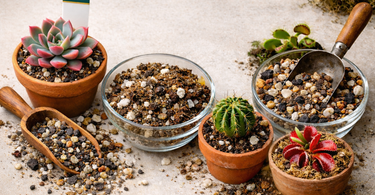
Why the Pot Matters More Than You Think
Most succulent problems — root rot, overwatering, stunted growth — can be traced back to the wrong pot. The container you choose affects how quickly soil dries out, how much root space the plant has, and whether excess water can escape. Getting this right is one of the highest-leverage things you can do for your plants.
Rule #1: Drainage Is Non-Negotiable
Every pot for succulents and cacti must have at least one drainage hole. No exceptions. Without drainage, excess water pools at the bottom of the pot, creating a permanently wet zone where roots rot. Even if you're careful with watering, soil without drainage will eventually become waterlogged.
What about decorative pots without holes? Use them as cachepots — place your succulent in a plain nursery pot with drainage inside the decorative outer pot. Remove the inner pot to water, let it drain fully, then return it. Never water directly into a pot without drainage.
Pot Material: The Big Three
Terracotta — Best for Most Succulents & Cacti
Terracotta is the classic choice for succulents, and for good reason. It's porous, which means it breathes — moisture evaporates through the walls as well as from the soil surface, helping the root zone dry out faster between waterings. This makes overwatering much harder to do accidentally.
Pros: Breathable, heavy (stable for top-heavy plants), affordable, aesthetically classic, naturally wicks excess moisture.
Cons: Dries out faster (you may need to water more frequently in hot, dry climates), can crack in freezing temperatures, heavier to move.
Best for: Most succulents and cacti, especially in humid climates or for growers who tend to overwater.
Plastic — Best for Carnivorous Plants & Low-Maintenance Growing
Plastic pots are lightweight, inexpensive, and retain moisture longer than terracotta. They're the preferred choice for carnivorous plants (which need consistently moist soil) and for growers in hot, dry climates where terracotta dries out too quickly.
Pros: Lightweight, inexpensive, retains moisture longer, won't crack, easy to find with drainage holes.
Cons: Less breathable, can lead to overwatering if you're not careful, less aesthetically interesting.
Best for: Carnivorous plants, growers in hot dry climates, anyone who tends to underwater.
Glazed Ceramic — Best of Both Worlds (With Caveats)
Glazed ceramic sits between terracotta and plastic in terms of breathability. The glaze seals the walls, so moisture only escapes through the soil surface and drainage hole — similar to plastic, but heavier and more decorative.
Pros: Beautiful, heavy and stable, retains moisture moderately, wide variety of styles.
Cons: More expensive, heavier, can be harder to find with adequate drainage holes.
Best for: Display plants, statement pieces, growers who want aesthetics without sacrificing function.
What to Avoid
- Unglazed terracotta for carnivorous plants: Leaches calcium and other minerals that harm carnivores. Use plastic or glazed ceramic instead.
- Glass containers without drainage: Terrariums and glass bowls look beautiful but are a death trap for succulents unless you're extremely careful with watering — and even then, they're risky.
- Metal containers: Heat up rapidly in sun, can leach metals, and often lack drainage. Use only as cachepots.
- Very deep pots for small plants: Excess soil below the root zone stays wet long after the plant has used the moisture above, creating a rot zone.
Pot Size: Bigger Isn't Better
One of the most common mistakes is planting succulents in pots that are too large. When there's more soil than roots, the excess soil stays wet long after the plant has absorbed what it needs — creating exactly the conditions that cause root rot.
The right size: Choose a pot that's 1–2 inches larger in diameter than the plant's root ball. The roots should fill most of the pot with just a little room to grow.
For offsets and cuttings: Start in a small pot (2–3 inches) and size up as the plant grows. Small pots dry out faster, which is exactly what young cuttings need to encourage root development.
Pot Depth
Most succulents have shallow root systems and don't need deep pots. Shallow or standard-depth pots (roughly as deep as they are wide) work well for rosette-forming succulents. Cacti with taproots and larger agaves benefit from deeper pots. Trailing succulents like Ruby Necklace look best in hanging pots or elevated containers where their stems can cascade.
Practical Tips
- Add a small piece of mesh or a coffee filter over the drainage hole to prevent soil from washing out without blocking drainage
- Elevate pots slightly (pot feet or pebbles) to ensure the drainage hole isn't blocked by the surface beneath
- In very hot climates, double-potting (plastic inside terracotta) slows drying without sacrificing drainage
- Label your pots — especially for collector cultivars that look similar when young
Shop Plants & Supplies
- Succulents Squad — full succulent collection
- Dirt That Gets It — fast-draining substrates for succulents & cacti
- Humidity Trays — for carnivorous plant setups
- Beginner Friendly Plants — great starter plants for any pot setup


