
Donde las plantas se vuelven ruidosas, extrañas y maravillosamente informativas
🌵 El blog de Maravillas Salvajes
Bienvenido al blog oficial de Wild Wonders Oasis, tu fuente de referencia para datos curiosos sobre plantas, consejos expertos de cuidado, vistazos entre bastidores del vivero y el cactus ocasional con complejo de superioridad.
Aquí, nos adentramos en todo, desde rarezas caudiciformes y dramas de plantas carnívoras hasta trucos de estilismo de suculentas y consejos de cuidado estacional. Tanto si eres un coleccionista experimentado como un nuevo padre de plantas que solo intenta mantener las cosas con vida, tenemos información que querrás leer.
🪴 Nuevas publicaciones brotando regularmente.
Agarra tu regadera —y tu sentido del humor— y ¡crezcamos salvajes juntos!
Tillandsia Xerographica Care Guide: How to Keep the Queen of Air Plants Thriving (No Soil Required, No Drama Included)
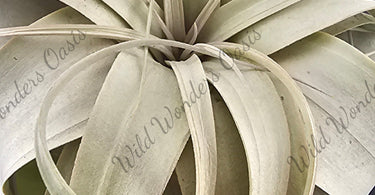
Meet Tillandsia Xerographica — the silver-haired, rosette-shaped royalty of the air plant world. She floats above the crowd (literally, no soil needed), demands very little, and somehow always looks like she just stepped off a botanical runway. If plants had a monarchy, Xero would be wearing the crown.
Here's everything you need to know to keep Her Majesty happy.
☀️ Light: Bright & Indirect, Like Her Personality
Tillandsia Xerographica thrives in bright, indirect light. A south- or east-facing window is her happy place. Direct afternoon sun? Too harsh — even queens need shade sometimes. If you're growing her outdoors, dappled light under a tree canopy is chef's kiss.
Pro tip: If she starts to look pale or bleached, she's getting too much direct sun. If she's stretching toward the light like she's trying to escape, she needs more of it.
💧 Watering: Soak, Shake, Dry — Repeat
Here's where most people overthink it. Air plants don't live on air alone (shocking, we know). Xero needs a good drink once a week:
- Submerge her in room-temperature water for 20–30 minutes.
- Remove and gently shake off excess water.
- Place her upside down on a towel to dry for a few hours.
- Make sure she's completely dry within 4 hours — water pooling at the base is the villain of this story.
In dry climates or during summer, a light misting between soaks keeps her looking lush.
🌬️ Air & Humidity: She Needs to Breathe
Good airflow isn't optional — it's essential. Xero is an epiphyte, meaning she naturally grows on trees and rocks in the wild, catching breezes all day. Keep her somewhere with decent air circulation and she'll reward you with slow, dramatic growth.
🌡️ Temperature: Goldilocks Zone
Tillandsia Xerographica is happiest between 50–90°F (10–32°C). She's not a fan of cold drafts, AC vents blowing directly on her, or frost. Basically, if you're comfortable, she's comfortable.
🌿 Fertilizing: A Little Goes a Long Way
Use a bromeliad or air plant fertilizer diluted to ¼ strength, once a month during the growing season. Don't overdo it — she's low-maintenance royalty, not a hungry teenager.
🎨 Display Ideas: She's a Showpiece
The best part about Xero? She goes anywhere:
- Mounted on a piece of driftwood or cork bark
- Nestled in a glass globe or geometric terrarium
- Perched on a decorative stand as a living sculpture
- Wired to a wall installation for serious botanical drama
No pot. No soil. Just pure, effortless style.
🚨 Troubleshooting
- Brown, crispy tips: Needs more water or humidity.
- Mushy base: Too much water sitting at the center — let her dry faster next time.
- Pale or bleached color: Too much direct sun.
- Slow growth: Totally normal. Xero is a slow-burn queen. Patience is part of the deal.
Tillandsia Xerographica is proof that the most stunning things in nature require the least fuss. Give her light, give her water, give her airflow — and she'll give you years of effortless, soil-free beauty.
Long live the Queen. 👑


