
Donde las plantas se vuelven ruidosas, extrañas y maravillosamente informativas
🌵 El blog de Maravillas Salvajes
Bienvenido al blog oficial de Wild Wonders Oasis, tu fuente de referencia para datos curiosos sobre plantas, consejos expertos de cuidado, vistazos entre bastidores del vivero y el cactus ocasional con complejo de superioridad.
Aquí, nos adentramos en todo, desde rarezas caudiciformes y dramas de plantas carnívoras hasta trucos de estilismo de suculentas y consejos de cuidado estacional. Tanto si eres un coleccionista experimentado como un nuevo padre de plantas que solo intenta mantener las cosas con vida, tenemos información que querrás leer.
🪴 Nuevas publicaciones brotando regularmente.
Agarra tu regadera —y tu sentido del humor— y ¡crezcamos salvajes juntos!
Why Is My Venus Flytrap Turning Black? Causes & Solutions
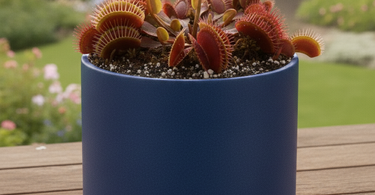
First: Is It Actually a Problem?
Before you panic, know this: some blackening on a Venus flytrap is completely normal. Individual traps have a limited lifespan — each one opens and closes a finite number of times before it dies back naturally. A trap that has caught and digested prey will often turn black after completing digestion. This is not a sign your plant is dying; it's a sign it's working exactly as intended.
The question is whether the blackening is isolated to old or used traps, or whether it's spreading to new growth, the stem, or the rhizome. That distinction tells you everything.
Normal Blackening (Nothing to Worry About)
- Old traps dying back: Lower, older traps naturally yellow and blacken as the plant produces new growth. Trim them at the base with clean scissors to keep the plant tidy and prevent mold.
- Post-digestion blackening: A trap that has successfully caught and digested prey will often turn black and die after opening back up. This is normal — each trap can only digest a few meals in its lifetime.
- Dormancy die-back: In fall and winter, Venus flytraps naturally die back significantly. Most or all above-ground growth may blacken and collapse. The rhizome (white bulb at the base) survives and will resprout in spring. See our Venus Flytrap Seasonal Care Guide for full dormancy details.
- Triggered empty traps: Traps that were triggered repeatedly without catching prey waste energy and die faster. Avoid triggering traps for fun.
Concerning Blackening (Action Required)
Blackening Spreading from the Base Up
Cause: Root rot
If the blackening starts at the base of the plant and moves upward — especially if the stem or rhizome feels soft or mushy — root rot is the likely culprit. This is usually caused by overwatering, wrong soil, or tap water mineral buildup.
Fix: Unpot immediately. Cut away all black, mushy tissue back to firm, white tissue. Dust cuts with cinnamon (natural antifungal). Let dry for 2–3 days, then repot in fresh carnivorous plant mix (peat/perlite or pure sphagnum) from our Dirt That Gets It collection. Switch to distilled water only.
New Traps Blackening Before Opening
Cause: Low humidity, tap water, or fungal issue
If new traps are blackening before they fully develop, the plant is under stress. Check:
- Water quality: Switch to distilled, RO, or rainwater immediately if using tap water.
- Humidity: Below 40% humidity can cause new growth to desiccate. Use a humidity tray or move to a more humid location.
- Fungal infection: Gray or fuzzy growth alongside blackening indicates fungus. Improve airflow, remove affected tissue, and treat with a diluted copper fungicide.
Rapid Blackening of the Entire Plant
Cause: Severe stress — usually water, soil, or temperature
If the whole plant is collapsing rapidly outside of dormancy season, check all three fundamentals simultaneously:
- Is the water pure? (Tap water is the #1 cause of rapid decline)
- Is the soil appropriate? (Regular potting mix will kill a flytrap within weeks)
- Has the plant been exposed to frost or extreme heat?
If the rhizome is still firm and white, the plant may recover with corrected care. If the rhizome is black and mushy throughout, the plant is unlikely to survive.
Blackening After Repotting or Shipping
Cause: Transplant stress — usually temporary
Some blackening of older traps after repotting or receiving a shipped plant is normal stress response. Keep the plant in bright indirect light (not full sun), maintain moisture with distilled water, and give it 2–4 weeks to stabilize before worrying.
Prevention Checklist
- ✅ Distilled, RO, or rainwater only — always
- ✅ Carnivorous plant soil only (peat/perlite or sphagnum) — never regular potting mix
- ✅ Tray method — 1–1.5 inches of distilled water at all times during growing season
- ✅ 4+ hours of direct sun or strong grow light
- ✅ Winter dormancy at 35–50°F for 3–4 months
- ✅ Never fertilize the soil
- ✅ Trim dead traps promptly to prevent mold
Shop Venus Flytraps
- Venus Flytrap 'Maroon Monster' — deep red showstopper, nursery propagated
- Venus Flytrap 'Chinese Dumpling' — chubby, compact cultivar
- Bug-Slaying Carnivores — full carnivorous plant collection
- Ultimate Carnivorous Plant Guide (Digital Download)


