
Where Plants Get Loud, Weird, and Wonderfully Informative
🌵 The Wild Wonders Blog
Welcome to the official blog of Wild Wonders Oasis—your go-to source for quirky plant facts, expert care tips, behind-the-scenes nursery peeks, and the occasional cactus with a superiority complex.
Here, we dig into everything from caudiciform oddities and carnivorous plant drama to succulent styling hacks and seasonal care advice. Whether you're a seasoned collector or a new plant parent just trying to keep things alive, we’ve got dirt you’ll want to read.
🪴 New posts sprouting regularly.
Grab your watering can—and your sense of humor—and let’s grow wild together.
How to Repot Carnivorous Plants: Soil, Timing & Step-by-Step Instructions
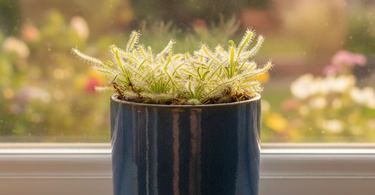
Why Repotting Matters for Carnivorous Plants
Carnivorous plants need repotting for two main reasons: their soil breaks down over time (peat moss degrades and loses its structure, becoming compacted and less aerated), and their roots eventually outgrow their container. Most carnivorous plants benefit from fresh media every 1–2 years, even if they haven't visibly outgrown their pot.
Getting the soil right is the single most important factor. The wrong mix — too rich, too dense, or containing fertilizer — will damage or kill your plant within weeks.
The Golden Rule: Nutrient-Poor Media Only
Carnivorous plants evolved in bogs and wetlands where soil nutrients are almost nonexistent. Their roots are adapted to low-nutrient conditions and will be burned by regular potting mix, compost, or any fertilizer-amended substrate.
Never use:
- Regular potting soil
- Compost or garden soil
- Fertilizer-amended "cactus mix" from big-box stores
- Perlite with added nutrients
- Anything containing bark, wood chips, or slow-release fertilizer pellets
Always use: Pure sphagnum moss, a peat/perlite mix (50/50), or a purpose-made carnivorous plant substrate. Browse our Dirt That Gets It collection for the right options.
When to Repot
- Venus flytraps & Sarracenia: Early spring, just as they emerge from dormancy. Never repot during dormancy or peak summer growth.
- Sundews (Drosera): Spring or early summer. Cape Sundews are forgiving and can be repotted almost any time they're actively growing.
- Nepenthes: Any time during active growth. Avoid repotting when the plant is stressed or producing a new pitcher.
- Butterworts: Spring, when the plant transitions from its winter succulent form back to flat carnivorous leaves.
Step-by-Step Repotting Guide
- Prepare your materials. You'll need: fresh carnivorous plant media, a clean pot with drainage holes (plastic or glazed ceramic — avoid terracotta, which leaches minerals), distilled water, and clean scissors or tweezers.
- Water the plant thoroughly the day before repotting. A hydrated plant handles root disturbance better than a dry one.
- Remove the plant from its current pot. Tip it gently upside down and ease the root ball out. Don't pull by the stem.
- Rinse the roots with distilled water to remove old media. Inspect for rot — healthy roots are white or light tan. Black, mushy roots should be trimmed away with sterilized scissors.
- Prepare the new pot. Add a layer of moist (not soaking) fresh media to the bottom. For Venus flytraps and Sarracenia, the rhizome (white bulb) should sit just at or slightly below the soil surface.
- Position the plant and fill in around the roots with fresh media. Firm gently — no need to pack tightly.
- Water in with distilled water and place in a shaded spot for 1–2 weeks to recover before returning to full light.
- Resume the tray method (for Venus flytraps, Sarracenia, and sundews) once the plant looks settled — usually within a week.
Pot Size & Material
- Size: Choose a pot 1–2 inches larger in diameter than the current one. Going too large can lead to soggy soil and root rot.
- Material: Plastic is ideal — it's inert, lightweight, and doesn't leach minerals. Glazed ceramic works too. Avoid unglazed terracotta — it leaches calcium and other minerals that will harm your plant over time.
- Drainage: Always essential. No drainage = root rot.
Post-Repot Care
Expect some stress response after repotting — a few traps or leaves may blacken and die. This is normal. Keep the plant in bright indirect light (not full sun) for 1–2 weeks, maintain moisture, and don't feed until new growth appears. Most plants bounce back within 3–4 weeks and grow more vigorously in fresh media.
Shop Carnivorous Plants & Supplies
- Dirt That Gets It — carnivorous plant-appropriate substrates
- Humidity Trays — for post-repot moisture management
- Bug-Slaying Carnivores — shop all carnivorous plants
- Ultimate Carnivorous Plant Guide (Digital Download) — in-depth care for every carnivore type
- Sundew Collector Bundle — great plants to practice repotting on
Featured Collection


