
Where Plants Get Loud, Weird, and Wonderfully Informative
🌵 The Wild Wonders Blog
Welcome to the official blog of Wild Wonders Oasis—your go-to source for quirky plant facts, expert care tips, behind-the-scenes nursery peeks, and the occasional cactus with a superiority complex.
Here, we dig into everything from caudiciform oddities and carnivorous plant drama to succulent styling hacks and seasonal care advice. Whether you're a seasoned collector or a new plant parent just trying to keep things alive, we’ve got dirt you’ll want to read.
🪴 New posts sprouting regularly.
Grab your watering can—and your sense of humor—and let’s grow wild together.
Succulent Seasonal Care: What to Do in Spring, Summer, Fall & Winter
Why Seasonal Care Matters for Succulents
Most succulents aren't year-round growers — they have active growth periods and rest periods that follow seasonal cues like temperature and day length. Watering and caring for them the same way all year is one of the most common mistakes succulent growers make. Matching your care to the season dramatically improves plant health, color, and longevity.
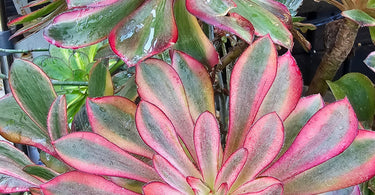
One important note: not all succulents follow the same seasonal pattern. Most common succulents (Echeveria, Sedum, Crassula, Aloe) grow actively in spring and fall, rest in summer heat and winter cold. Aeoniums are the major exception — they grow in cool, moist conditions and go dormant in summer. We'll cover both patterns here.
Spring (March – May): Peak Growing Season Begins
Spring is when most succulents wake up and start growing vigorously. This is the best time for repotting, propagation, and fertilizing.
- Watering: Increase frequency as temperatures rise and growth accelerates. Water thoroughly when the top inch of soil is completely dry — typically every 7–14 days depending on your climate.
- Light: If plants were indoors over winter, begin acclimating them to outdoor sun gradually — start with morning sun only for 1–2 weeks before moving to full sun to prevent sunburn.
- Fertilizing: Apply a balanced, diluted liquid fertilizer (half strength) once a month during active growth. Stop by midsummer.
- Repotting & propagation: Spring is ideal — plants recover quickly and root readily. See our Succulent Propagation Guide for full instructions.
- Aeoniums: Still in active growth — water regularly and enjoy the lush rosettes before summer dormancy arrives.
Summer (June – August): Heat Management
Summer care depends heavily on your climate. In mild coastal climates, succulents can grow actively all summer. In hot inland areas (90°F+), many succulents slow down or go semi-dormant.
- Watering: Counterintuitively, reduce watering if temperatures are extreme. Succulents in semi-dormancy don't need much water, and wet soil in high heat accelerates rot. Water every 2–3 weeks in very hot conditions.
- Light: Provide afternoon shade in climates above 95°F. Succulents can sunburn in intense summer heat, especially if recently moved outdoors.
- Aeoniums: This is their dormancy period. Leaves curl inward, growth stops, lower leaves drop. Reduce watering to once every 3–4 weeks. Don't panic — they'll bounce back in fall. See our Aeonium Care Guide for details.
- Fertilizing: Stop fertilizing by midsummer for most species.
- Watch for pests: Mealybugs and spider mites are most active in summer heat. Inspect regularly and treat early.
Fall (September – November): Second Wind
Fall is the second active growing season for most succulents — and often the most colorful. Cooler temperatures and shorter days trigger stress coloring in many varieties, producing vivid reds, oranges, and purples.
- Watering: Resume regular watering as temperatures cool. The soak-and-dry method works well — water thoroughly, then wait until completely dry before watering again.
- Color: Reduce watering slightly and increase sun exposure to maximize fall color. Mild stress (not damage) produces the most vivid hues in Echeveria, Sedum, and Aloe.
- Aeoniums: Come back to life as temperatures drop. Resume regular watering and enjoy the rapid new growth.
- Prepare for winter: If growing outdoors in a frost-prone climate, plan to bring tender succulents inside before first frost.
Winter (December – February): Rest & Reduce
Most succulents slow down significantly in winter. Cold temperatures and low light reduce their water and nutrient needs considerably.
- Watering: Reduce dramatically — every 3–4 weeks for most species, or even less for cold-dormant varieties. The combination of cold soil and excess moisture is the most common cause of winter rot.
- Light: Move outdoor plants inside before frost. Indoors, place in the brightest available window or supplement with a grow light.
- Temperature: Most succulents prefer 50–60°F in winter. Avoid placing near cold drafts or heating vents.
- Fertilizing: Stop completely until spring.
- Aeoniums: Peak growing season — water regularly and enjoy their most lush, open rosette form.
Year-Round Reminders
- Always use pots with drainage holes
- Use a fast-draining succulent mix — browse our Dirt That Gets It collection
- Never let succulents sit in standing water for extended periods
- Adjust care based on your actual climate, not just the calendar
Shop Succulents
- Succulents Squad — full succulent collection
- Cupid Aeonium — winter grower, summer dormant
- Aeonium Kilimanjaro Cuttings
- Ghost Plant Cuttings — classic fall-coloring succulent
- Ultimate Succulent Plant Guide (Digital Download)
Featured Collection


