
Donde las plantas se vuelven ruidosas, extrañas y maravillosamente informativas
🌵 El blog de Maravillas Salvajes
Bienvenido al blog oficial de Wild Wonders Oasis, tu fuente de referencia para datos curiosos sobre plantas, consejos expertos de cuidado, vistazos entre bastidores del vivero y el cactus ocasional con complejo de superioridad.
Aquí, nos adentramos en todo, desde rarezas caudiciformes y dramas de plantas carnívoras hasta trucos de estilismo de suculentas y consejos de cuidado estacional. Tanto si eres un coleccionista experimentado como un nuevo padre de plantas que solo intenta mantener las cosas con vida, tenemos información que querrás leer.
🪴 Nuevas publicaciones brotando regularmente.
Agarra tu regadera —y tu sentido del humor— y ¡crezcamos salvajes juntos!
Cactus Care 101: Why Your Cactus Is Dying (And How to Save It)
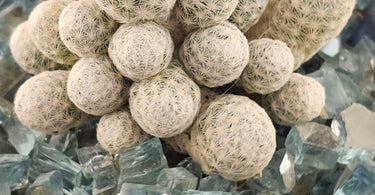
The Uncomfortable Truth About Cacti
Cacti have a reputation for being indestructible. That reputation kills a lot of cacti. The truth is that while they're drought-tolerant, they're not neglect-tolerant — and the most common way people kill them is by doing too much, not too little.
Problem 1: Overwatering (The #1 Killer)
If your cactus is soft, mushy, yellowing at the base, or leaning over, overwatering is almost certainly the cause. Cacti store water in their tissue — when the soil stays wet too long, roots rot and can no longer support the plant.
How to water correctly:
- Water deeply but infrequently. In summer (active growth), water when the soil is completely dry — typically every 2–3 weeks.
- In winter, most cacti need almost no water — once a month or less.
- Always use a pot with drainage holes. No exceptions.
- Use a fast-draining mix. Standard potting soil holds too much moisture. Our Dirt That Gets It collection has cactus-appropriate substrates.
Can you save an overwatered cactus? Sometimes. Remove it from the pot, cut away any black or mushy roots with sterilized scissors, dust the cuts with cinnamon (a natural antifungal), and let the plant dry out completely for several days before repotting in fresh dry mix.
Problem 2: Not Enough Light
A cactus that's stretching, leaning toward a window, or turning pale green/yellow is etiolating — reaching desperately for more light. This is called etiolation and it's irreversible on the affected growth, though you can prevent further stretching.
Fix: Most cacti need 6+ hours of direct sun daily. A south-facing window is ideal. If your space doesn't get enough natural light, a full-spectrum grow light 4–6 inches above the plant for 12–14 hours a day will do the job.
Problem 3: Wrong Soil
Regular potting mix is too dense and moisture-retentive for cacti. Even mixes labeled "cactus mix" from big-box stores are often too rich. The ideal cactus substrate drains almost instantly and dries out within a day or two of watering.
Fix: Use a mix of 50% inorganic material (perlite, pumice, or coarse sand) and 50% organic material (cactus mix or coir). Browse our Dirt That Gets It collection for the right options.
Problem 4: Cold Temperatures or Frost
Most cacti are surprisingly cold-sensitive, especially when their soil is moist. Temperatures below 50°F combined with wet soil is a recipe for rot. Frost will cause irreversible cell damage, turning tissue translucent and mushy.
Fix: Keep cacti above 50°F year-round. If you move them outdoors in summer, bring them in before nighttime temps drop in fall. Never leave a wet cactus in the cold.
Problem 5: Pests
The most common cactus pests are mealybugs (white cottony clusters, often at the base or in crevices) and spider mites (fine webbing, stippled appearance). Both suck sap and weaken the plant.
Fix: Dab mealybugs with a cotton swab dipped in 70% isopropyl alcohol. For spider mites, spray with neem oil solution or insecticidal soap, making sure to coat all surfaces. Repeat weekly for 3–4 weeks.
Seasonal Care Summary
- Spring/Summer: Water every 2–3 weeks, full sun, light feeding with a low-nitrogen fertilizer once a month.
- Fall: Taper watering, stop fertilizing, prepare for dormancy.
- Winter: Minimal water (once a month or less), cool temperatures (50–60°F) encourage healthy dormancy and spring blooms.
Shop Our Cacti
Ready to add some spiky character to your space? These are some of our most striking collector cacti:
- Astrophytum asterias 'Hanazono' — a patterned star cactus collector cultivar
- Coryphantha elephantidens 'Inermis' — a spineless statement cactus
- Gymnocalycium quehlianum — chin cactus with blush blooms
- Copiapoa hypogaea 'Barquitensis' — a silver desert relic
Browse our Best Sellers or check out our Beginner Friendly Plants collection if you're just getting started.


