
Where Plants Get Loud, Weird, and Wonderfully Informative
🌵 The Wild Wonders Blog
Welcome to the official blog of Wild Wonders Oasis—your go-to source for quirky plant facts, expert care tips, behind-the-scenes nursery peeks, and the occasional cactus with a superiority complex.
Here, we dig into everything from caudiciform oddities and carnivorous plant drama to succulent styling hacks and seasonal care advice. Whether you're a seasoned collector or a new plant parent just trying to keep things alive, we’ve got dirt you’ll want to read.
🪴 New posts sprouting regularly.
Grab your watering can—and your sense of humor—and let’s grow wild together.
How to Grow Carnivorous Plants Indoors: Light, Humidity & Setup
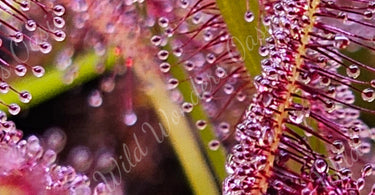
Can You Really Grow Carnivorous Plants Indoors?
Yes — but you need to be honest about your conditions. Carnivorous plants have three non-negotiable requirements that most indoor environments don't naturally provide: high light, pure water, and appropriate humidity. The good news is that all three are achievable indoors with the right setup, and once you nail them, carnivorous plants are some of the most rewarding houseplants you can grow.
Light: The Biggest Indoor Challenge
Most carnivorous plants need more light than a typical windowsill provides. Here's how to assess and improve your light situation:
Window Growing
A south-facing window is your best option for Venus flytraps and Sarracenia — they need 4–6+ hours of direct sun. East-facing windows work well for sundews, butterworts, and Nepenthes, which prefer bright indirect light. North-facing windows are generally insufficient for any carnivorous plant.
Key limitations of window growing:
- Glass filters UV light, reducing effective intensity
- Light drops off sharply even a foot from the window
- Seasonal changes dramatically affect light levels
Grow Lights (Recommended for Most Indoor Growers)
A dedicated grow light setup removes the guesswork and lets you grow any carnivorous plant regardless of your window situation.
What to look for:
- Full-spectrum LED — covers the full light spectrum plants need, runs cool, energy-efficient
- Intensity: Look for lights rated at 2000–5000 lux at plant level for sundews and butterworts; 5000–10000+ lux for Venus flytraps and Sarracenia
- Duration: 12–14 hours per day on a timer
- Distance: 4–8 inches above the plant canopy for most setups
Under grow lights, carnivorous plants often outperform their window-grown counterparts — more vibrant color, faster growth, and better trap production.
Water: Pure Only, Always
This rule applies indoors and out: distilled water, reverse osmosis water, or collected rainwater only. Tap water — even filtered tap water — contains dissolved minerals that accumulate in the soil and gradually poison carnivorous plants.
The tray method works well for most indoor setups: sit pots in a shallow tray with 1–1.5 inches of distilled water at all times. The soil wicks moisture from below, keeping roots consistently moist without waterlogging. Refill when the tray runs dry.
For Nepenthes, water from the top when the top inch of media feels slightly dry — they don't use the tray method.
Humidity
Most carnivorous plants prefer 50–70%+ humidity. Average indoor humidity in air-conditioned or heated homes is often 30–40% — fine for sundews and Venus flytraps, but challenging for Nepenthes.
Ways to increase humidity:
- Humidity trays: Place pots on a humidity tray filled with water and pebbles. The evaporating water raises local humidity around the plants.
- Grouping plants: Plants transpire moisture — grouping them together creates a more humid microclimate.
- Mini greenhouse or terrarium: An open-topped terrarium or a wire shelf with a humidity tent dramatically raises humidity for Nepenthes and other humidity-loving species.
- Small humidifier: The most effective solution for a dedicated growing area.
Best Carnivorous Plants for Indoor Growing
- Easiest: Cape Sundews (Drosera capensis) — tolerant of average indoor humidity, grow well under lights or in a bright window
- Great under lights: Venus Flytrap 'Maroon Monster', Venus Flytrap 'Chinese Dumpling' — thrive under strong grow lights with a cool winter dormancy
- Low-light tolerant: Pinguicula Gigantea — butterworts handle lower light better than most carnivores
- Humidity lovers (terrarium): Nepenthes — best in a humid terrarium or grow tent setup
- Collector favorites: Drosera binata 'Marston Dragon', Drosera capensis 'Octopus' — dramatic under grow lights
A Simple Indoor Setup That Works
Here's a beginner-friendly indoor carnivorous plant setup:
- A wire shelving unit or windowsill
- One full-spectrum LED grow light on a 13-hour timer
- Shallow trays filled with distilled water
- A mix of Cape Sundews, a Venus flytrap, and a butterwort
- A gallon jug of distilled water for refills
Total cost is modest, maintenance is minimal, and you'll have a thriving carnivorous plant collection within a few months.
Shop Carnivorous Plants & Supplies
- Bug-Slaying Carnivores — full collection
- Beginner Mode — best starter plants
- Humidity Trays — for indoor setups
- Plant Food Feast — supplements for indoor-grown carnivores
- Ultimate Carnivorous Plant Guide (Digital Download)
Featured Collection


