
Where Plants Get Loud, Weird, and Wonderfully Informative
🌵 The Wild Wonders Blog
Welcome to the official blog of Wild Wonders Oasis—your go-to source for quirky plant facts, expert care tips, behind-the-scenes nursery peeks, and the occasional cactus with a superiority complex.
Here, we dig into everything from caudiciform oddities and carnivorous plant drama to succulent styling hacks and seasonal care advice. Whether you're a seasoned collector or a new plant parent just trying to keep things alive, we’ve got dirt you’ll want to read.
🪴 New posts sprouting regularly.
Grab your watering can—and your sense of humor—and let’s grow wild together.
Pitcher Plant Care Guide: How to Grow Nepenthes & Sarracenia at Home
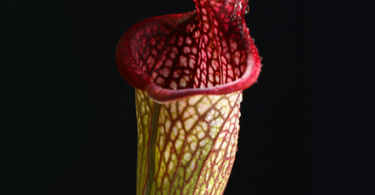
Two Very Different Pitcher Plants
When people say "pitcher plant," they usually mean one of two very different genera: Nepenthes (tropical pitcher plants, native to Southeast Asia) or Sarracenia (North American pitcher plants, native to the US Southeast). They look similar — both form tubular pitchers filled with digestive fluid — but their care requirements are quite different. Knowing which one you have is the first step to keeping it alive.
Nepenthes (Tropical Pitcher Plants)
Light
Nepenthes prefer bright indirect light — think the kind of light you'd find on a shaded tropical porch. Direct midday sun will scorch the pitchers. An east-facing window or a spot a few feet back from a south-facing window is ideal indoors. Outdoors, dappled shade works well.
Water
Use distilled, RO, or rainwater only. Unlike Sarracenia, Nepenthes should not sit in a tray of standing water — their roots need some airflow. Water when the top inch of media feels slightly dry, and always water from the top. Keep the pitchers themselves about 1/4 full of water (they naturally fill with rainwater in the wild).
Humidity
This is where most growers struggle. Nepenthes need 50–80% humidity to produce pitchers. Below 40%, pitchers will abort (form but never open) or dry out. A humidity tray helps, as does grouping plants together or using a small humidifier nearby.
Temperature
Most commonly available Nepenthes are "lowland" or "intermediate" varieties that prefer 65–85°F year-round with a modest 10°F drop at night. They do not go dormant.
Feeding
Outdoors, Nepenthes catch their own prey. Indoors, drop a small insect (live or freeze-dried) into a pitcher every 2–4 weeks. Never add fertilizer to the soil — but a very dilute foliar spray of orchid fertilizer (1/4 strength) once a month is acceptable for vigorous growers.
Sarracenia (North American Pitcher Plants)
Light
Sarracenia are sun-lovers. They need 6+ hours of direct sun daily — a full-sun outdoor spot or a very bright south-facing window. Insufficient light leads to tall, floppy, pale pitchers that don't trap effectively.
Water
Use the tray method: sit the pot in 1–2 inches of distilled or rainwater at all times during the growing season. Sarracenia are bog plants and love consistently moist (but not waterlogged) conditions. Distilled or rainwater only — no tap water.
Dormancy
Unlike Nepenthes, Sarracenia require a winter dormancy of 3–4 months at 35–50°F. During dormancy, reduce watering significantly and allow the plant to die back. This is normal and essential for long-term health. Treat it similarly to a Venus flytrap dormancy — see our Venus Flytrap Seasonal Care Guide for detailed dormancy tips.
Feeding
Outdoors, Sarracenia are incredibly effective — a single plant can catch hundreds of insects per season. Indoors, offer prey every 2–3 weeks during the growing season.
Common Problems
- Pitchers turning brown: Normal aging — trim old pitchers at the base. If new pitchers are browning, check humidity (Nepenthes) or water quality.
- No new pitchers forming: Usually a light or humidity issue. Increase both.
- Soft, mushy base: Root rot from overwatering or wrong soil. Repot immediately into carnivorous plant media from our Dirt That Gets It collection.
- Aphids or scale: Treat with diluted neem oil, avoiding the pitchers themselves.
Shop Carnivorous Plants
Explore our full range of nursery-propagated (never wild-collected) carnivorous plants:
- Bug-Slaying Carnivores — our full carnivorous plant collection
- Ultimate Carnivorous Plant Guide (Digital Download) — in-depth care for all carnivorous genera
- Sundew Collector Bundle — a great companion to pitcher plants
Featured Collection


