
Where Plants Get Loud, Weird, and Wonderfully Informative
🌵 The Wild Wonders Blog
Welcome to the official blog of Wild Wonders Oasis—your go-to source for quirky plant facts, expert care tips, behind-the-scenes nursery peeks, and the occasional cactus with a superiority complex.
Here, we dig into everything from caudiciform oddities and carnivorous plant drama to succulent styling hacks and seasonal care advice. Whether you're a seasoned collector or a new plant parent just trying to keep things alive, we’ve got dirt you’ll want to read.
🪴 New posts sprouting regularly.
Grab your watering can—and your sense of humor—and let’s grow wild together.
Butterwort Care Guide: The Low-Maintenance Carnivore You've Been Overlooking
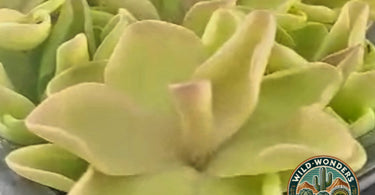
Meet the Butterwort: Carnivore in Disguise
Pinguicula — commonly called butterworts — are among the most underrated carnivorous plants. Their flat, fleshy leaves are coated in tiny glands that produce a sticky mucilage, trapping fungus gnats, fruit flies, and other small insects with zero effort. Unlike Venus flytraps or sundews, there's no dramatic snapping or curling — just a quietly lethal surface that keeps your growing area pest-free.
What makes them even more interesting: many species transform completely in winter, shifting from carnivorous flat leaves into tight, succulent-like rosettes that look nothing like their summer form. They're essentially two plants in one.
Light
Butterworts prefer bright indirect light to gentle direct sun. A windowsill with 3–4 hours of morning sun is ideal. They'll tolerate lower light better than most carnivores, making them excellent candidates for terrariums or shelves that don't get full sun. Under grow lights, 12–14 hours at moderate intensity works well.
Avoid harsh afternoon sun — it can bleach or burn the delicate leaves.
Water
Like all carnivorous plants, butterworts are mineral-sensitive. Use only distilled, reverse osmosis, or rainwater. Tap water will cause leaf tip burn and gradual decline.
Watering method depends on the species:
- Tropical Pinguicula (like our Pinguicula Gigantea): Water from below using a shallow tray, or water carefully at the soil surface. Keep soil lightly moist but never waterlogged. These don't go dormant.
- Temperate Pinguicula: Similar during the growing season, but reduce water significantly in winter when the plant enters its succulent rosette phase — treat it almost like a succulent at that point.
Always avoid getting water on the leaves — it can wash away the mucilage and interfere with trapping.
Soil
Butterworts need a lean, well-draining, mineral-poor mix. A blend of perlite and peat (roughly 50/50) works well for most species. Some growers use pure perlite or a mix of perlite and vermiculite for tropical species. Never use regular potting soil or any mix with added fertilizer. Browse our Dirt That Gets It collection for suitable substrates.
Feeding
Outdoors or near a window, butterworts will catch plenty of prey on their own — they're particularly effective against fungus gnats, which is why they're popular with houseplant collectors. Indoors in a low-pest environment, you can supplement by placing the plant near a fruit bowl or gently dusting a leaf with a tiny pinch of fish flakes or dried bloodworms once a month.
Never apply fertilizer to the soil. A very dilute foliar spray (1/8 strength orchid fertilizer) misted onto the leaves once a month is acceptable for tropical species.
The Winter Transformation
If you have a temperate Pinguicula, don't panic when your plant seems to "die" in fall. It's forming a hibernaculum — a tight, non-carnivorous rosette of small, succulent-like leaves that conserves energy through winter. During this phase:
- Reduce watering to barely moist
- Keep in a cool spot (45–55°F) with some light
- Do not feed
- Resume normal care in spring when flat carnivorous leaves reappear
Common Problems
- Leaves turning yellow: Usually mineral buildup from tap water, or too much direct sun. Switch to distilled water and move to brighter indirect light.
- No mucilage on leaves: Low humidity or insufficient light. Increase both.
- Root rot: Overwatering or poor drainage. Repot into a leaner mix and reduce watering frequency.
- Fungus gnats in the soil: Ironic, but it happens. Top-dress with a thin layer of sand and let the surface dry slightly between waterings.
Why Butterworts Are Perfect for Beginners
If you've struggled with Venus flytraps or sundews, a Pinguicula might be your gateway carnivore. They're more forgiving of imperfect conditions, don't require dormancy management (for tropical species), and their compact size makes them ideal for windowsills and terrariums. They also double as a natural pest control solution for your other houseplants.
Shop Butterworts & Carnivorous Plants
- Pinguicula Gigantea — Giant Butterwort — one of the largest and most dramatic Pinguicula species
- Bug-Slaying Carnivores — our full carnivorous plant collection
- Beginner Mode — great starter plants if you're new to carnivores
- Ultimate Carnivorous Plant Guide (Digital Download) — covers Pinguicula, Drosera, Dionaea, and more
Featured Collection


