How Carnivorous Plants Help With Ants | Wild Wonders Oasis
How Carnivorous Plants Help With Ants
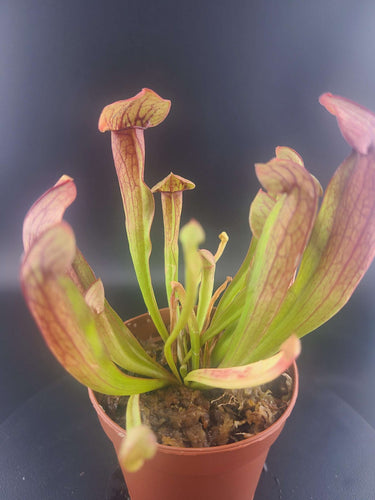
Venus flytraps genuinely do eat ants — a 2018 NC State University study of over 200 wild flytraps found spiders, beetles, and ants among the most common prey caught. Sarracenia pitcher plants get their share too, when foraging ants climb the tube looking for nectar and slip on the waxy inner rim. Neither will take down a whole colony, but both turn a few unlucky foragers into plant food, and they're genuinely fun to watch try.
Why Ants Come Inside
According to University of Maryland Extension, ants are drawn indoors mostly by food odors — sweets, grease, meats, dairy, and fruit left out or in open containers. If they don't find food, they typically leave. The most effective control is sanitation (sealed containers, rinsed recycling) combined with sealing entry points and, if needed, a low-toxicity boric acid bait that ants carry back to the colony.
What Carnivorous Plants Actually Catch
A 2018 NC State University study examined prey from over 200 wild Venus flytraps and found that spiders, beetles, and ants were among the most commonly caught prey, spanning eleven insect orders. Sarracenia pitchers catch crawling insects too — ants climbing the tube in search of nectar can lose their footing on the slick inner rim and fall into the digestive fluid below.
A Word of Caution
Ants are more acidic than most flytrap prey, and catching one can occasionally cause a trap to blacken and die while trying to digest it. It's a natural, incidental catch, not something we'd recommend encouraging on purpose — for an actual ant problem indoors, pair these plants with the sanitation and bait approach above.
Source: University of Maryland Extension – Ants (Indoor Insects) and NC State University – 2018 Venus flytrap diet study
Our Flytrap & Pitcher Plant Picks

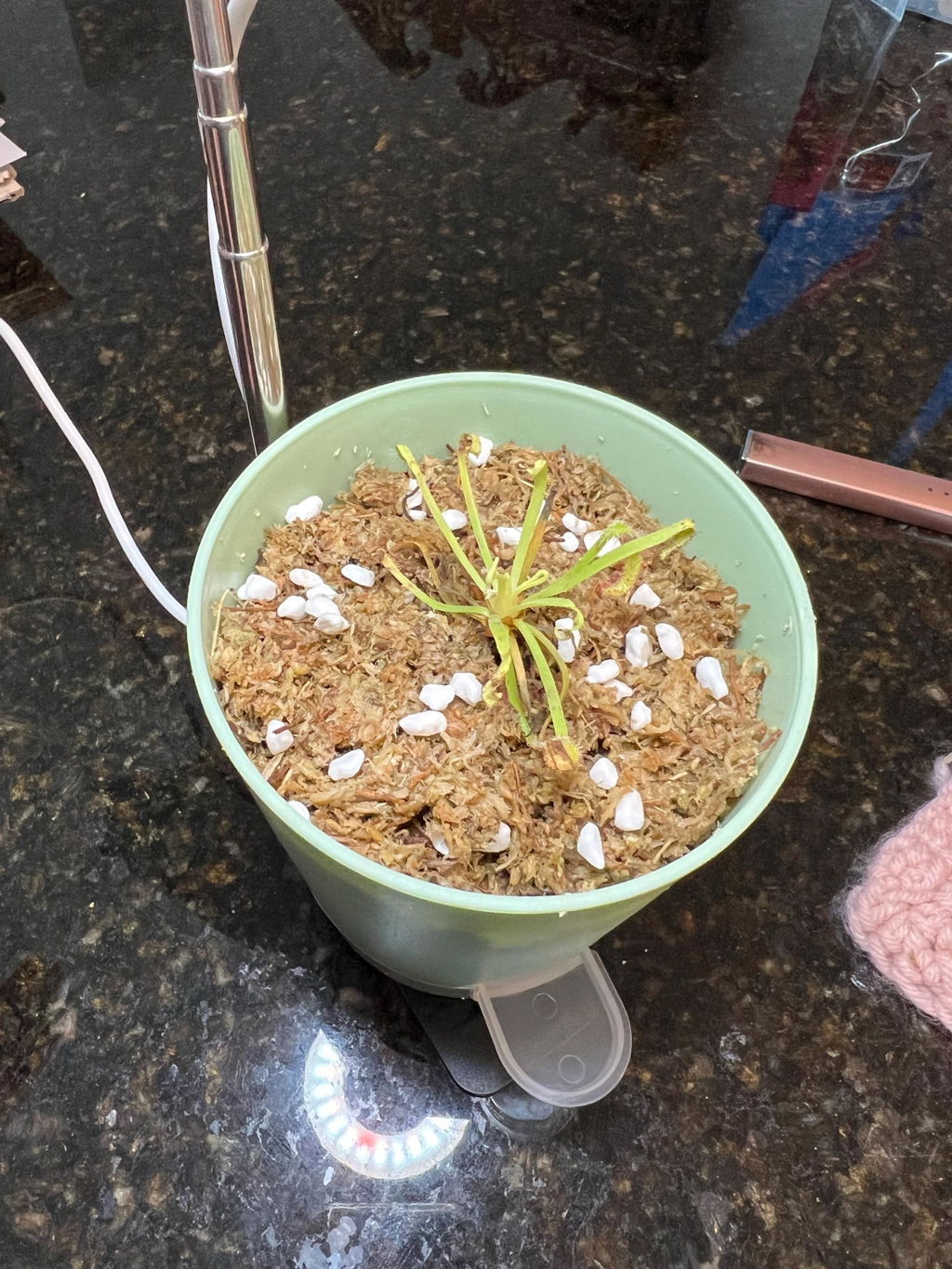
Venus Flytrap 'Chinese Dumpling' – The Chubby Little Bug Muncher
A compact, chubby-trapped flytrap — just as eager to catch a foraging ant.
View product →
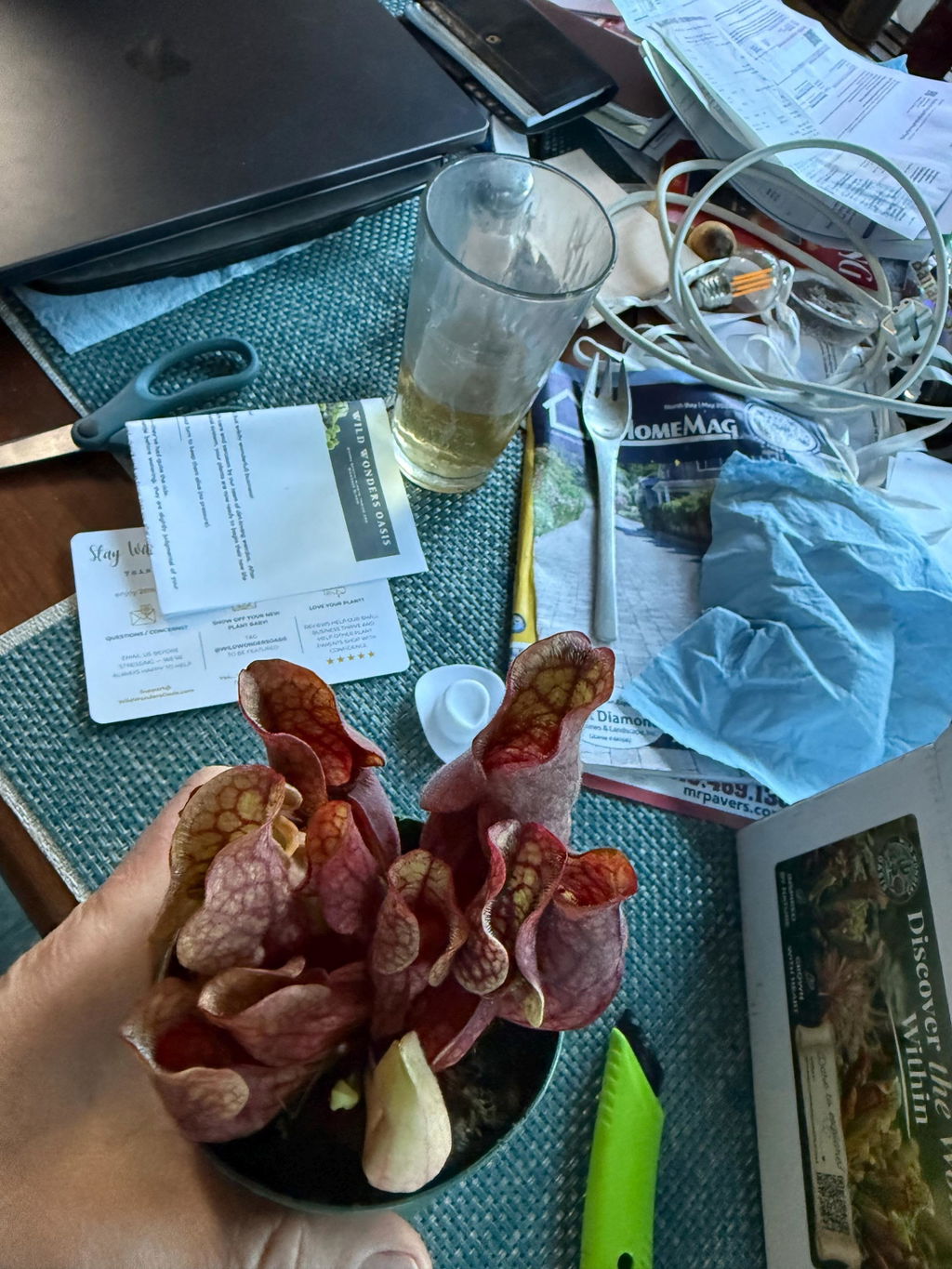
Sarracenia Maroon - tu nueva y atrevida mejor amiga
Ants that climb the tube for nectar can slip on the waxy rim and fall in — no snapping required.
View product →
Sarracenia leucophylla – La belleza sureña con instinto asesino 🏹
Tall pitchers with a wide catch area for crawling and flying insects alike.
View product →Which One's Right for You?
| Plant | Best for | Experience level | How it catches ants |
|---|---|---|---|
| Venus Flytrap | Foraging ants that trigger the trap directly | Beginner | Snap-trap closes on contact with trigger hairs |
| Sarracenia (Pitcher Plant) | Ants climbing the tube for nectar | Beginner | Slippery rim, one-way tube — no triggering needed |
How to Get the Best Results

Light
Bright, direct light is best for Venus flytraps and Sarracenia alike

Water
Use distilled, rain, or reverse osmosis water — keep the soil consistently damp

Soil
Use the right soil — low nutrient sphagnum moss or peat moss works great. Never use fertilizer

Advanced tip
Don't feed ants to your flytrap on purpose — their acidity can sometimes cause a trap to blacken and die
FAQ
They can catch individual foraging ants, but they won't eliminate an ant colony — a colony can have thousands of workers, and a houseplant only catches the ones that wander onto it. A 2018 NC State University study of wild Venus flytraps found ants among the most common prey caught, and Sarracenia pitchers trap plenty of crawling insects that climb their tube looking for nectar and slip on the waxy rim.
One caution: ants are more acidic than most flytrap prey, and catching one can sometimes cause a trap to blacken and die while digesting it. It's a natural, incidental catch — not something we'd recommend encouraging on purpose. For an actual ant problem, pair these plants with sealing entry points and a low-toxicity bait.
We offer standard and express shipping options. Delivery times vary based on your location. You can choose this at checkout based upon your preferences.
Yes, we have a live arrival guarantee. If you have any problems please contact us within 48 hours of delivery with images of the plants so we can support diagnosis of the plant issues and advise on next steps.
Please note returns are not possible due to potential for contamination of our nursery.
Yes! Carnivorous plants have adapted to grow in low nutrient environments. Because of this it is very important that you do not use regular soil to plant your new carnivorous plants.
Instead use sphagnum moss or peat moss that has been rinsed three times with rain, RO, or distilled water. Only water with rain, RO, or distilled water.
Yes and no. Carnivorous plants do not tend to attract pet attention, but it's best to keep them away from curious noses — the sticky dew or snapping traps can irritate eyes and noses, and upset stomachs if ingested.
This is no different than most houseplants. If your pet loves to nibble, a terrarium or shelf out of reach solves it.
Venus flytraps and Sarracenia are both very approachable for beginners. On our site we provide a Grower Expertise filter you can filter plants by, plus care tips for each plant.
Absolutely! Every plant ships with a plant care guide, plus a QR code linking to more detailed care info on our site.
Looking for even more depth? We offer a collection of digital care guides you can download instantly after purchase.
Shop the Picks
-
![Close-up of deep purple Sarracenia Purpurea carnivorous plant with pitcher traps in bright sunlight]()

Vista rápida -
Notify Me When In Stock ![Venus Flytrap Collector Bundle with Maroon Monster and Chinese Dumpling plants plus carnivorous plant guide]()

Agotado -
![Close-up of deep purple Sarracenia Purpurea carnivorous plant with pitcher traps in bright sunlight]()
Vista rápida -
Notify Me When In Stock ![Close-up of vibrant maroon Sarracenia Maroon pitcher plant catching insects outdoors]()

Agotado -
Notify Me When In Stock 
Agotado -
Notify Me When In Stock ![Venus Flytrap Chinese Dumpling with rounded traps catching insects in a small pot]()

Agotado




Still not sure which plant is right for you?
Take our 1-minute quiz and get plant recommendations based on your space, experience, and goals!
Plant Care Guides & Digital Goodies


Beginner Friendly
Clear care tips on every listing, no green thumb required.
4.9-Star Reviews
Rated 4.9/5 from 111+ real customers.
Live Arrival Guarantee
Arrives happy or we make it right.
Family-Run Nursery
Nursery-grown and hand-packed by our team.