Carnivorous Plants for Fungus Gnats | Wild Wonders Oasis
Why Carnivorous Plants Help with Fungus Gnats
If tiny, dark, mosquito-like flies keep drifting up out of your houseplant soil every time you water, you've met fungus gnats. They're mostly harmless to you and your pets — just annoying — and the fix isn't one single trick. It's a combination of smarter watering habits plus a few carnivorous plants working the room for you around the clock, trapping the adults before they get the chance to lay their next batch of eggs.
Why Fungus Gnats Show Up in the First Place
Fungus gnats lay their eggs in moist soil, and the larvae feed on decaying organic matter — and occasionally fine plant roots — right near the surface. Larvae can't survive dry conditions, so it's really the top inch or two of soil staying damp between waterings that rolls out the welcome mat.
Watering Habits That Make It Worse
Overwatering, pots without drainage holes, and letting the soil surface stay wet around the clock all create exactly what fungus gnat larvae need to thrive. Letting the top 1–2 inches of soil dry out between waterings, switching to bottom-watering, and topping the soil with sand or fine gravel so adults can't reach it to lay eggs are all proven ways to break the cycle.
How Carnivorous Plants Help
Sundews (Drosera) and butterworts (Pinguicula) are basically living flypaper. Their leaves stay covered in glistening, sticky dew that traps adult fungus gnats the second they land — no triggering, no waiting around. Every gnat caught is one that never makes it back to the soil to lay more eggs, so a sundew or butterwort near your houseplants becomes a passive, 24/7 line of defense that works alongside better watering habits, not instead of them.
Sundews vs. Butterworts
Cape sundews (Drosera capensis) grow fast and put out a lot of sticky leaf surface, which makes them a great pick for heavier gnat pressure. Pinguicula (butterworts) stay compact and tidy, so they're an easy fit for windowsills, desks, and smaller spaces where you still want serious trapping power.
Source: University of Minnesota Extension – How to Treat Pesky Fungus Gnats in Houseplants
Top Carnivorous Plants for Fungus Gnats

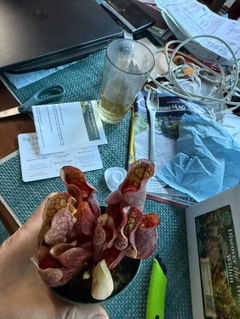
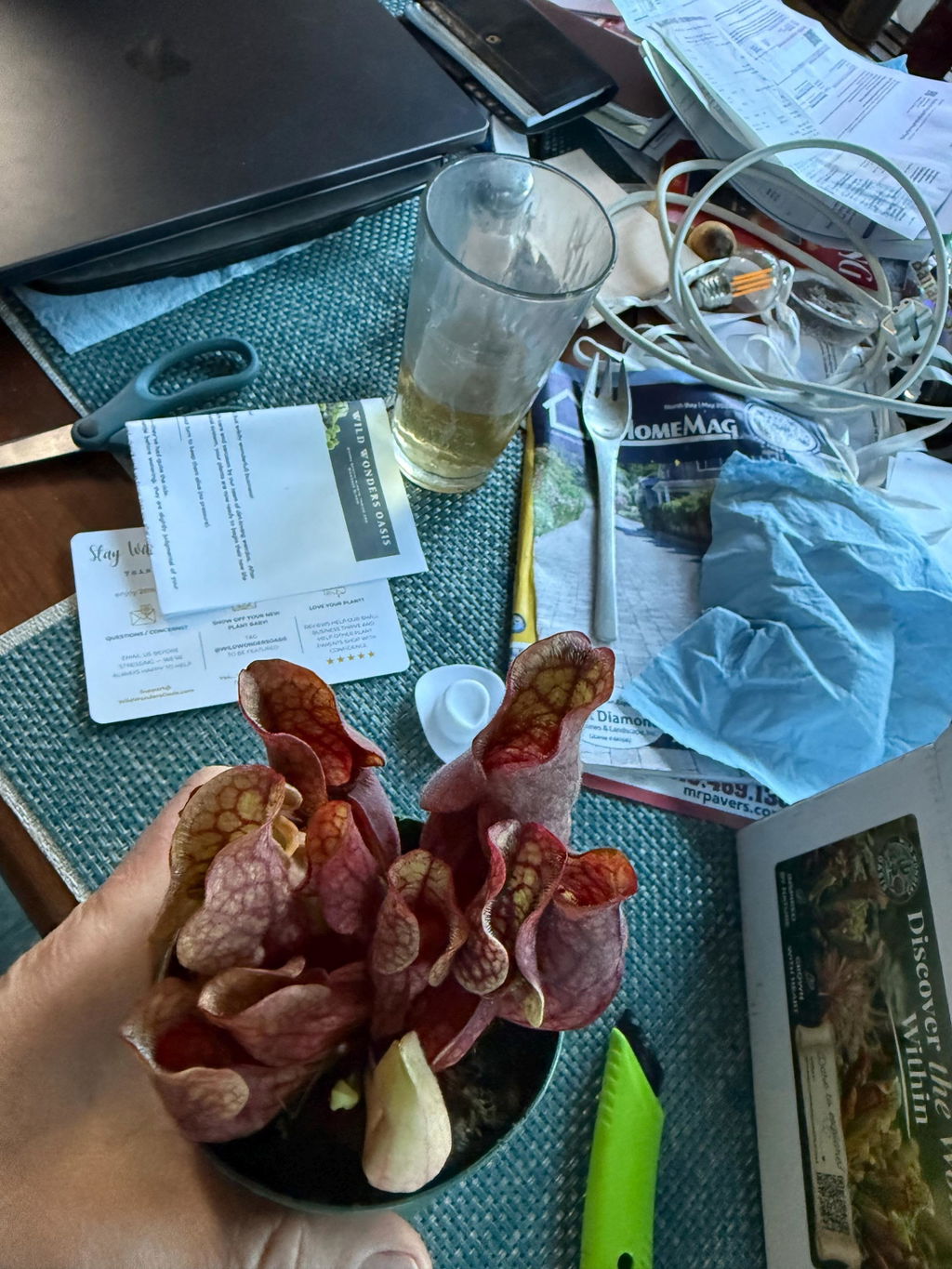
🩸 Sarracenia Purpurea – ¡La Belleza Gótica Devoradora de Bichos que No Sabías que Necesitabas! (Grande)
Pitcher-shaped traps lure and drown gnats — dramatic, low-maintenance, and a total showstopper.
View product →Beautiful, low-growing plants with sticky leaves. Perfect for small spaces.
View product →
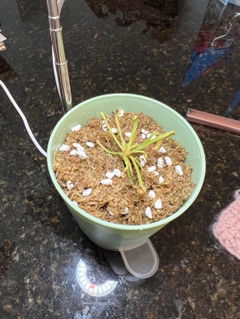
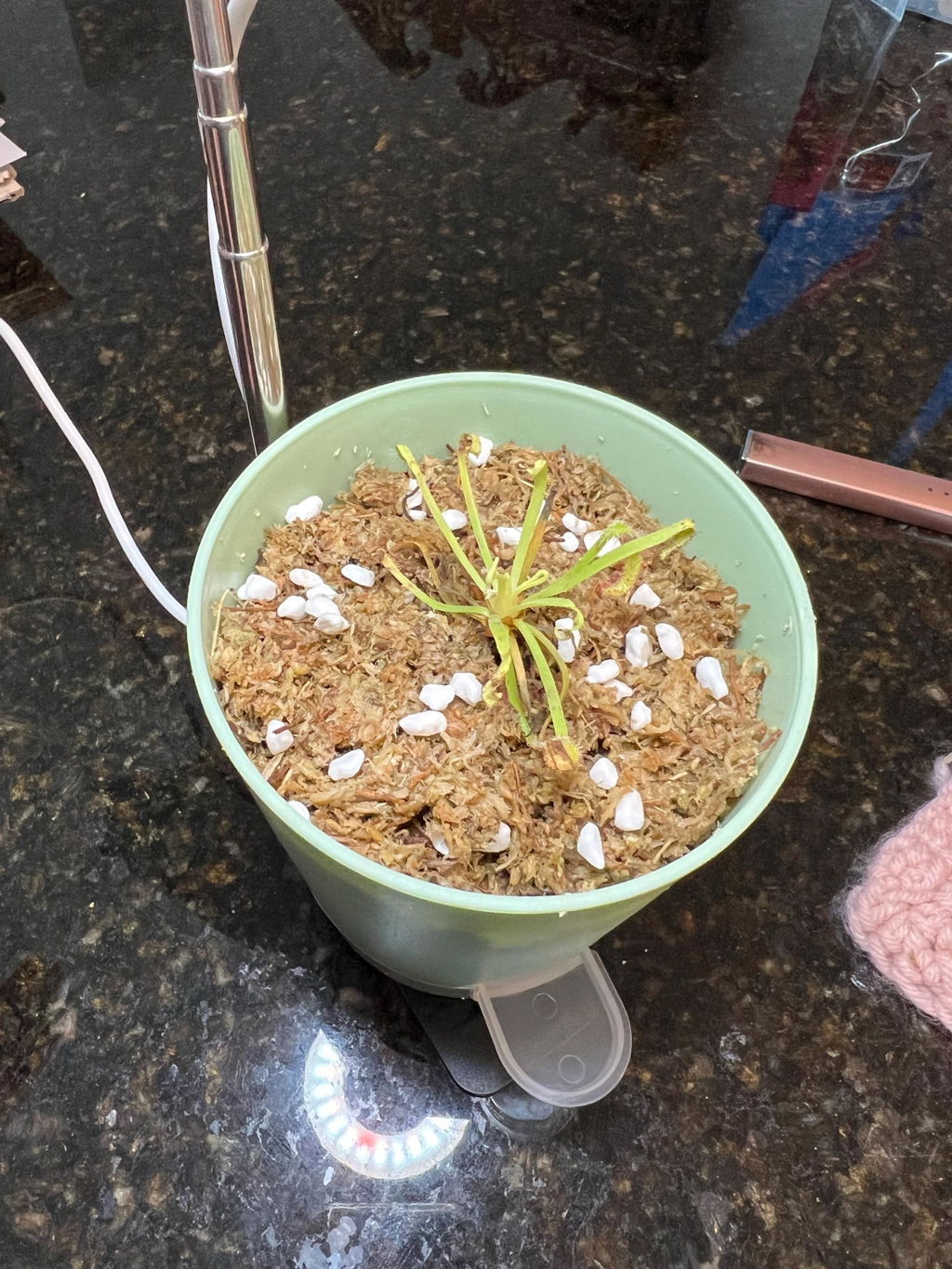
Drosera capensis ‘Alba’ – La Drosera del Cabo Blanca Fantasmal 🤍✨🪰
Fast-growing and super effective against fungus gnats.
View product →Which One's Right for You?
| Plant | Best for | Experience level | How it traps gnats |
|---|---|---|---|
| Cape Sundew | Heavier gnat pressure, fast coverage | Beginner | Sticky, dew-covered leaves catch adults on contact |
| Pinguicula (Butterwort) | Windowsills, desks, small spaces | Beginner | Flypaper-style leaves, no soil moisture needed to trap |
| Venus Flytrap | Larger flying and crawling pests | Beginner–Intermediate | Snap-trap triggered by contact with trigger hairs |
How to Get the Best Results

Light
Bright, indirect light is best for most carnivorous plants

Water
Use distilled, rain, or reverse osmosis water

Soil
Use the right soil - low nutrient sphagnum moss or peat moss works great. Do not use any growing medium with fertilizer

Advanced tips
Be patient! Let the plant adjust and start catching. Combine with good watering habits to reduce gnats faster
FAQ
Fungus gnats are attracted to the dew created by the carnivorous plants. Over time the Fungus gnats will reduce in population as more and more are captured before they are able to reproduce. Have patience and remember that it is a matter of time, severity of the infestations, and the number of carnivorous plants you own. If you have a severe infection, it is advisable to buy multiple carnivorous plants to speed up the reduction of the gnats.
We offer standard and express shipping options. Delivery times vary based on your location. You can choose this at checkout based upon your preferences.
Yes, we have a live arrival guarantee. If you have any problems please contact us within 48 hours of delivery with images of the plants so we can support diagnosis of the plant issues and advise on next steps.
Please note returns are not possible due to potential for contamination of our nursery.
Yes! Carnivorous plants have adapted to grow in low nutrient environments. Because of this it is very important that you do not use regular soil to plant your new carnivorous plants.
Instead use sphagnum moss or peat moss that has been rinsed three times with rain, RO, or distilled water. Carefully check that the package for the sphagnum moss or peat moss does not have added fertilizer or "enhancements".
Only water with rain, RO, or distilled water.
Yes and no. Carnivorous plants do not tend to attract plant attention, but it is best to keep them away from the plants as the dew can irritate their eyes/nose and if ingested will make their stomachs upset.
This is no different than most houseplants. If you have issues keeping your pet away from houseplants you can always purchase terrariums or shelving to reduce access.
Carnivorous plants like Drosera Sundews and Butterworts Pinguiculas are very easy plants to grow. On our site we provided a Grower Expertise filter you can filter plants by. We also provide care tips for each plant.
Absolutely! Every plant ships with a plant care guide. We also provide a QR code for more information on our site. Simply point your camera on your mobile phone at the QR code and a link will appear. Click on the link to access the care guide.
If you are looking for even more in-depth care guides, we offer a collection of care guides that can be purchased. These care guides are digital. Once purchased you will receive instructions to instantly download your care guide purchase.
Venus flytraps aren't the best tool for fungus gnats. Their snap-traps are built for larger prey and need direct contact with the trigger hairs to close, so they'll usually miss tiny gnats that just brush past. For fungus gnats specifically, sundews and butterworts are far more effective — their sticky leaves catch anything that lands, no triggering required.
That said, a Venus flytrap is a fantastic addition to any collection and a total conversation starter. Just don't count on it alone for gnat control.
Shop the Picks


Still not sure which plant is right for you?
Take our 1-minute quiz and get plant recommendations based on your space, experience, and goals!
Plant Care Guides & Digital Goodies


Beginner Friendly
Clear care tips on every listing, no green thumb required.
4.9-Star Reviews
Rated 4.9/5 from 111+ real customers.
Live Arrival Guarantee
Arrives happy or we make it right.
Family-Run Nursery
Nursery-grown and hand-packed by our team.