

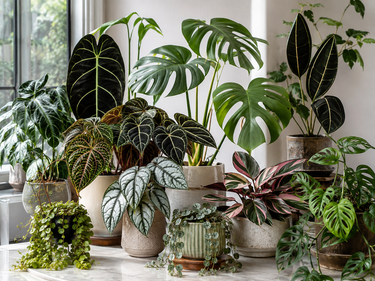
Congratulations! You are now the proud caretaker of a rare houseplant—a leafy little masterpiece that may be dramatic, unusual, and significantly better-looking than most of your furniture.
Rare does not automatically mean difficult. Most houseplants simply want the right light, sensible watering, and for you to stop “helping” them every seventeen minutes.
Important: This is a general care guide. Always follow any species-specific instructions for your plant, since every leafy weirdo has its own preferences.
🌿 The Quick-Start Survival Plan
Give your new plant:
- Bright, indirect light
- Water only when the soil begins to dry
- A pot with drainage
- Warm, stable temperatures
- Time to adjust before repotting
- Occasional inspection for pests
The biggest danger is usually not neglect. It is aggressive love involving too much water, fertilizer, repotting, misting, moving, poking, and emotional hovering.
1. Let Your Plant Adjust
Shipping and moving are stressful for plants. Your new arrival may temporarily droop, curl, lose a leaf, or generally behave as though it has endured a Victorian tragedy.
For the first one to two weeks:
- Place it in bright, indirect light.
- Keep it away from heating vents, air conditioners, and drafts.
- Avoid repotting unless there is a serious soil, root, or pest issue.
- Do not fertilize immediately.
- Avoid moving it from room to room searching for the “perfect” spot.
Minor cosmetic damage or the loss of an older leaf can happen during acclimation. Watch the plant’s new growth to judge how well it is adapting.
2. Light: Bright, but Not Crispy
Most rare tropical houseplants prefer bright, indirect light.
Ideal locations include:
- Near an east-facing window
- A few feet back from a bright south- or west-facing window
- Beside a filtered window with a sheer curtain
- Under a quality grow light
Signs Your Plant Needs More Light
- Long, stretched growth
- Smaller new leaves
- Fading variegation
- Soil staying wet for a long time
- Growth slowing significantly
Signs the Light Is Too Intense
- Bleached or faded patches
- Crispy brown areas
- Yellowing on the side facing the window
- Leaves curling away from the light
Variegated plants often need more light than solid-green plants because the pale portions contain less chlorophyll. More light does not mean tossing them directly into scorching afternoon sun like a tiny botanical rotisserie chicken.
Increase light gradually.
3. Watering: Check First, Pour Second
Overwatering is one of the fastest ways to turn an expensive rare plant into an expensive life lesson.
Before watering:
- Feel the soil with your finger.
- Check the plant’s weight by lifting the pot.
- Look for moisture through the drainage holes, when possible.
- Confirm that the plant has actually begun to dry.
Many tropical houseplants prefer to be watered when the upper portion of the soil feels dry while the root zone remains slightly moist. The exact timing depends on the plant, pot size, soil, humidity, temperature, and season.
How to Water Properly
- Water slowly and evenly.
- Continue until water drains from the bottom.
- Allow the pot to drain completely.
- Empty standing water from saucers or decorative cachepots.
Do not water on a rigid calendar. Tuesday does not automatically mean watering day. Tuesday has no horticultural authority here.
Common Overwatering Signs
- Yellowing leaves
- Soft or mushy stems
- Soil that stays wet for many days
- A sour or unpleasant smell
- Dark, collapsing roots
- Sudden leaf drop
Common Underwatering Signs
- Drooping leaves
- Dry or curling edges
- Soil pulling away from the pot
- Lightweight pots
- Crispy lower leaves
Both overwatering and underwatering can cause drooping, so always check the soil before reacting.
4. Water Quality Matters
Some rare houseplants are sensitive to minerals, salts, chlorine compounds, or fluoride in tap water.
When possible, use:
- Rainwater
- Distilled water
- Reverse-osmosis water
- Filtered water suitable for sensitive plants
Tap water may still work well depending on your location and plant species. If you notice repeated brown tips, mineral buildup, or white crust on the soil, water quality may be contributing.
Occasionally flush the soil thoroughly with clean water to help remove accumulated salts.
5. Humidity: Helpful, Not a Swamp Requirement
Many tropical houseplants enjoy moderate to high humidity, but they still need airflow.
A comfortable goal for many species is approximately 40–60% household humidity, with some plants preferring more.
To increase humidity:
- Group compatible plants together.
- Use a room humidifier.
- Keep plants away from drying vents.
- Use a humidity cabinet for species that require consistently high humidity.
Misting provides only a brief increase in humidity and can encourage leaf spotting or disease when leaves remain wet without airflow.
A humidifier is useful. Misting your plant seventeen times a day is mostly a hobby for you.
6. Temperature and Airflow
Most tropical houseplants prefer:
- Warm indoor temperatures
- Stable conditions
- Protection from cold drafts
- Gentle airflow
Avoid placing plants directly beside:
- Air-conditioning vents
- Heating vents
- Exterior doors
- Drafty windows
- Fireplaces
- Space heaters
Sudden temperature changes can cause curling, yellowing, leaf drop, or slowed growth.
7. Soil: Roots Need Air Too
Rare houseplants generally perform best in a well-draining, airy growing medium that holds some moisture without becoming dense and swampy.
Depending on the species, a mix may contain:
- Quality potting soil or coco coir
- Orchid bark
- Perlite or pumice
- Horticultural charcoal
- Sphagnum moss
- Other chunky amendments
The ideal blend varies. Climbing aroids, begonias, hoyas, anthuriums, jewel orchids, and other specialty plants do not all want identical conditions.
Use a species-appropriate mix and avoid packing soil tightly around the roots.
8. Pots and Drainage
Your plant’s pot should have a drainage hole. This is not an optional luxury feature.
A decorative pot without drainage can be used as a cachepot, but the plant should remain inside a draining nursery pot. Remove the inner pot for watering and allow it to drain before returning it.
Choose a pot only slightly larger than the root system. Oversized pots hold excess moisture and increase the risk of root rot.
Pot size should match the roots—not your interior-design ambitions.
9. Repotting
Do not automatically repot a healthy plant as soon as it arrives.
Consider repotting when:
- Roots densely circle the pot.
- Roots emerge heavily from drainage holes.
- The soil remains wet for too long.
- The growing medium has broken down.
- The plant dries out unusually quickly.
- There is evidence of root rot or a serious pest issue.
When repotting:
- Move up only one pot size.
- Handle roots gently.
- Remove clearly dead, black, or mushy roots with sanitized tools.
- Use fresh, species-appropriate soil.
- Avoid fertilizing immediately after major root disturbance.
The best repotting time is usually during active growth, although urgent root problems should be handled promptly.
10. Fertilizer: More Is Not More
Feed actively growing plants with a balanced houseplant fertilizer diluted according to the product instructions.
General rules:
- Fertilize during active growth.
- Reduce feeding when growth slows.
- Never apply strong fertilizer to dry soil.
- Avoid fertilizing newly shipped, stressed, or freshly repotted plants.
- Watch for salt buildup on the soil or pot.
Too much fertilizer can burn roots and cause brown tips, yellowing, or damaged growth.
Fertilizer is a snack, not a personality makeover.
11. Climbing and Crawling Plants
Some rare houseplants climb trees in nature. Others crawl across the forest floor.
Climbing plants may benefit from:
- A moss pole
- A plank
- A coir pole
- A trellis or support
Providing support can encourage stronger growth and, for some species, larger mature leaves.
Crawling plants often prefer wider pots that allow stems or rhizomes to travel horizontally.
Before forcing your plant up a pole, confirm whether it is actually a climber. Not every plant dreams of vertical advancement.
12. Keep New Plants Separate
Quarantine new plants away from your existing collection for approximately two to four weeks when practical.
During quarantine:
- Inspect the tops and undersides of leaves.
- Check stems, petioles, soil, and drainage holes.
- Look for webbing, sticky residue, cottony clusters, scale-like bumps, or moving insects.
- Reinspect the plant weekly.
Common houseplant pests include:
- Spider mites
- Thrips
- Mealybugs
- Scale
- Fungus gnats
- Aphids
Finding a pest does not mean you failed. It means you now have a very small and extremely irritating side quest.
13. Cleaning and Routine Maintenance
Every few weeks:
- Wipe dusty leaves gently with a damp cloth.
- Remove dead or badly damaged foliage.
- Rotate the pot for balanced growth.
- Inspect for pests.
- Check supports and ties.
- Clean scissors before and after pruning.
Avoid commercial leaf-shine products unless they are specifically appropriate for the species. Some products can clog leaf surfaces or leave residue.
14. Understanding Normal Plant Behavior
Plants change. An occasional older leaf may yellow and die as the plant redirects energy toward new growth.
Usually normal:
- One older leaf yellowing
- Temporary drooping after shipping
- Minor cosmetic damage
- Slow growth after a move
- Small imperfections on emerging leaves
Worth investigating:
- Several leaves yellowing at once
- Repeatedly deformed new growth
- Black or mushy stems
- Rapid leaf loss
- Persistent spotting that spreads
- Visible pests
- A strong odor from the soil
- A plant that remains severely wilted despite appropriate moisture
Look for patterns rather than panicking over one imperfect leaf. Plants are living organisms, not factory-manufactured throw pillows.
Quick Troubleshooting Guide
Yellow Leaves
Possible causes:
- Overwatering
- Poor drainage
- Natural aging
- Insufficient light
- Root stress
- Pest activity
Check the soil and roots before adding more water.
Brown, Crispy Edges
Possible causes:
- Low humidity
- Inconsistent watering
- Mineral-heavy water
- Fertilizer buildup
- Excess heat or direct sun
Drooping
Possible causes:
- Dry soil
- Waterlogged roots
- Shipping stress
- Temperature shock
- Root damage
Do not assume drooping automatically means “add water.”
Small or Stretched Growth
Possible causes:
- Insufficient light
- Lack of support for a climbing plant
- Low nutrients during active growth
- Normal juvenile growth
Fading Variegation
Possible causes:
- Insufficient light
- Normal genetic variation
- A naturally unstable variegated plant
Move the plant to brighter indirect light gradually. Do not remove all-green growth unless you understand the growth pattern and species.
Pet and Child Safety
Plant toxicity varies by species. Some common houseplants can irritate the mouth, skin, or digestive system if chewed or swallowed.
Keep unidentified or potentially toxic plants away from curious pets and children. Confirm the botanical name and consult a veterinarian, physician, or poison-control resource if exposure occurs.
“Looks delicious” is unfortunately a common opinion among cats.
Before Contacting Us
To help us troubleshoot, please gather:
- The plant’s name
- A clear photo of the entire plant
- Close-up photos of the affected leaves or stems
- A photo of the soil and pot
- Your watering routine
- The type of light it receives
- How long you have owned it
The more details we have, the faster we can determine whether your plant needs a small adjustment, pest treatment, or an exorcism.
You’ve Got This
Rare plants do not require perfection. They require observation, patience, and fewer panic-based watering decisions.
Start with good light, check the soil before watering, maintain drainage, and give your plant time to acclimate. Learn its signals instead of changing five things at once.
Your plant may be unusual, but its basic request is simple:
Please provide reasonable conditions and stop smothering me with love.
🎁 Don’t Forget Your Discount!
You’ve got a 20% off code in your shipping box from your first order.
Use it to grab:
- A humid-loving sundew friend
- Or maybe… one more plant. (We don’t judge.)
👉 Shop now: wildwondersoasis.com


