
Where Plants Get Loud, Weird, and Wonderfully Informative
🌵 The Wild Wonders Blog
Welcome to the official blog of Wild Wonders Oasis—your go-to source for quirky plant facts, expert care tips, behind-the-scenes nursery peeks, and the occasional cactus with a superiority complex.
Here, we dig into everything from caudiciform oddities and carnivorous plant drama to succulent styling hacks and seasonal care advice. Whether you're a seasoned collector or a new plant parent just trying to keep things alive, we’ve got dirt you’ll want to read.
🪴 New posts sprouting regularly.
Grab your watering can—and your sense of humor—and let’s grow wild together.
Why Is My Succulent Dying? How to Diagnose & Fix Common Problems
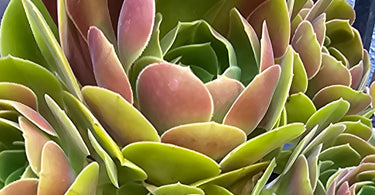
Succulents Are Tough — Until They're Not
Succulents have a reputation for being nearly indestructible, which leads a lot of people to either overwater them out of love or neglect them into oblivion. The good news: most succulent problems are fixable once you know what you're looking at. Here's a symptom-by-symptom guide to diagnosing and saving your plant.
Symptom: Mushy, Translucent, or Yellowing Leaves
Diagnosis: Overwatering or root rot
This is the #1 killer of succulents. When leaves become soft, squishy, translucent, or yellow — especially starting from the base of the plant — the roots are sitting in too much moisture and beginning to rot.
Fix:
- Remove the plant from its pot immediately and inspect the roots. Healthy roots are white or tan; rotted roots are black, brown, and mushy.
- Trim away all rotted roots with sterilized scissors. If the stem base is mushy, cut back to firm tissue.
- Let the plant dry out completely for 3–5 days before repotting.
- Repot in fresh, dry succulent mix with excellent drainage. See our Dirt That Gets It collection for the right substrates.
- Wait a full week before watering again.
Prevention: Water only when the soil is completely dry. Always use pots with drainage holes. Never let succulents sit in standing water.
Symptom: Stretching, Leaning, or Elongated Stem
Diagnosis: Etiolation (not enough light)
If your succulent is stretching toward a light source, producing widely spaced leaves, or developing a long, bare stem, it's etiolating — reaching desperately for more light. The stretched growth is permanent and won't compact back down, but you can prevent further stretching.
Fix:
- Move to a brighter location — ideally 4–6 hours of direct sun or very bright indirect light.
- If the plant has stretched significantly, consider beheading it: cut the healthy rosette top off, let it callous for a few days, and replant it as a cutting. The original stem will often sprout new rosettes.
- Supplement with a grow light if natural light is limited — 12–14 hours at 4–6 inches works well.
Symptom: Shriveled, Wrinkled Leaves
Diagnosis: Underwatering OR root damage
Wrinkled leaves mean the plant is depleting its stored water reserves. Counterintuitively, this can happen even when you're watering regularly — if the roots are damaged (from rot, pests, or compacted soil), they can't absorb water even when it's available.
Fix:
- First, check the soil — if it's bone dry, water thoroughly and the leaves should plump back up within a day or two.
- If the soil is moist but leaves are still shriveled, unpot and inspect the roots. Damaged roots need to be trimmed and the plant repotted in fresh mix.
Symptom: Brown, Crispy Leaf Tips or Patches
Diagnosis: Sunburn, low humidity, or mineral buildup
- Sunburn: White or brown patches on the side facing the sun, appearing suddenly after moving the plant to a brighter spot. Succulents need to be acclimated to direct sun gradually.
- Low humidity + heat: Tips dry out in very hot, dry conditions. Not usually serious — improve airflow and avoid placing near heat vents.
- Mineral buildup: White crusty deposits on soil or lower leaves from tap water. Switch to filtered or distilled water and flush the soil periodically.
Symptom: Dropping Leaves at the Slightest Touch
Diagnosis: Stress response — usually normal
Many succulents — especially Echeveria and Graptopetalum — drop lower leaves readily when stressed by repotting, shipping, temperature changes, or overwatering. A few dropped leaves are nothing to worry about. If the plant is losing leaves rapidly from the center outward, check for rot.
Bonus: Dropped leaves from healthy plants can often be propagated! Lay them on dry succulent mix and mist lightly every few days. See our Succulent Propagation Guide for full instructions.
Symptom: White Cottony Clusters or Fine Webbing
Diagnosis: Mealybugs or spider mites
- Mealybugs: White, cottony masses in leaf axils or at the base. Treat by dabbing with 70% isopropyl alcohol on a cotton swab, then spray the whole plant with diluted neem oil. Repeat weekly for 3–4 weeks.
- Spider mites: Fine webbing, stippled or silvery leaf surface. Spray with insecticidal soap or neem oil, coating all surfaces. Increase humidity — mites thrive in dry conditions.
Symptom: Black or Brown Spots on Leaves
Diagnosis: Fungal infection or cold damage
- Fungal spots: Often appear after prolonged wet conditions. Remove affected leaves, improve airflow, and treat with a diluted copper fungicide if spreading.
- Cold damage: Translucent or black patches after a cold snap. Remove damaged tissue and keep the plant warm and dry while it recovers.
Shop Succulents
- Succulents Squad — browse our full succulent range
- Dirt That Gets It — proper succulent substrates
- Beginner Friendly Plants — forgiving varieties to start with
- Ultimate Succulent Plant Guide (Digital Download)
Featured Collection


