Store-bought pesticide sprays work for a season, then you're back to square one — and now there's chemical residue near your other plants, your pets, and your kitchen counter. Carnivorous plants take a different approach: instead of a one-time knockdown, they sit quietly in the room and trap pests around the clock, for as long as you keep them fed on sunlight and rain water.
Meet Your New Pest Control Team
Different carnivorous plants are built for different jobs. Here's the lineup:
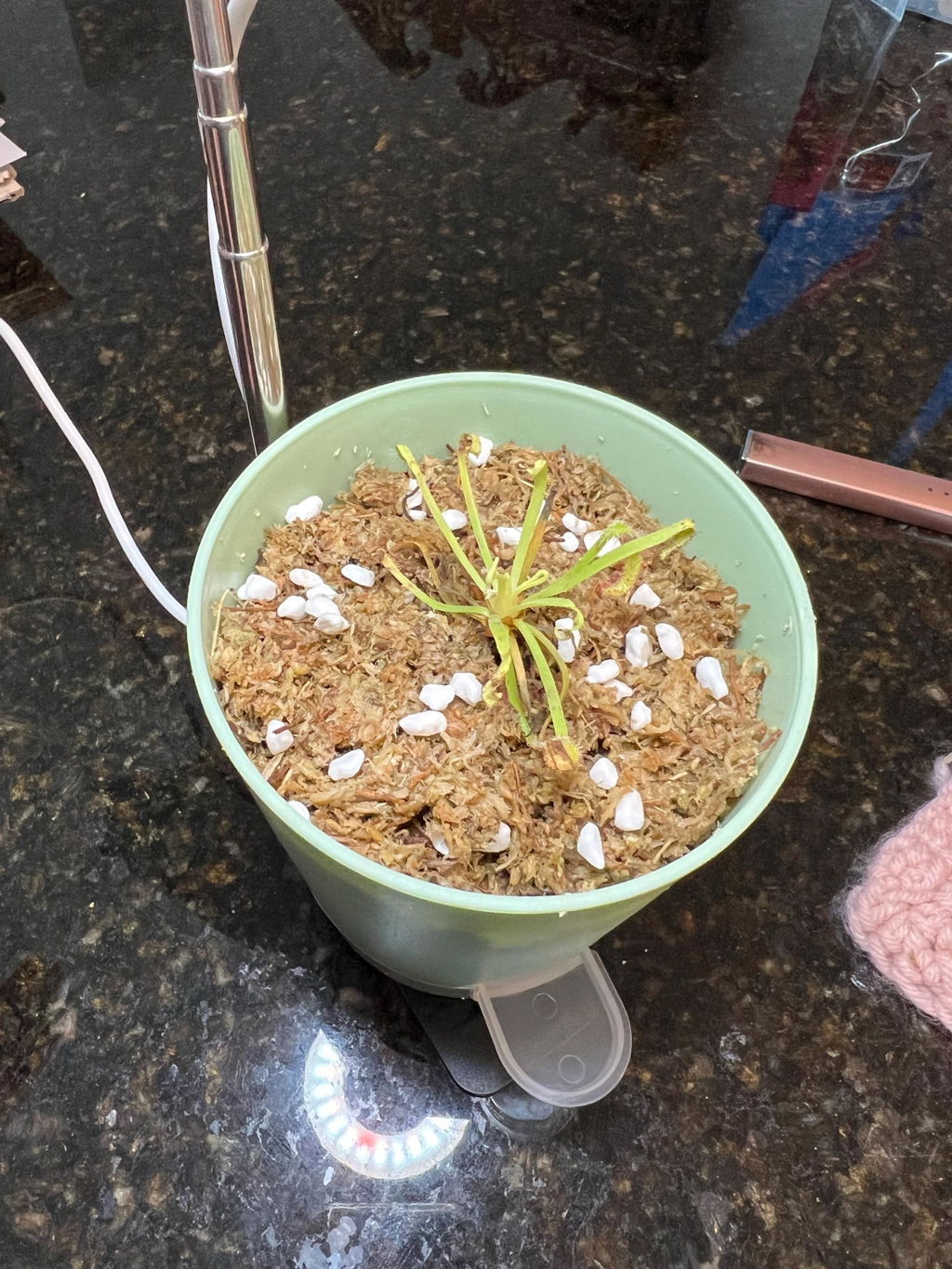
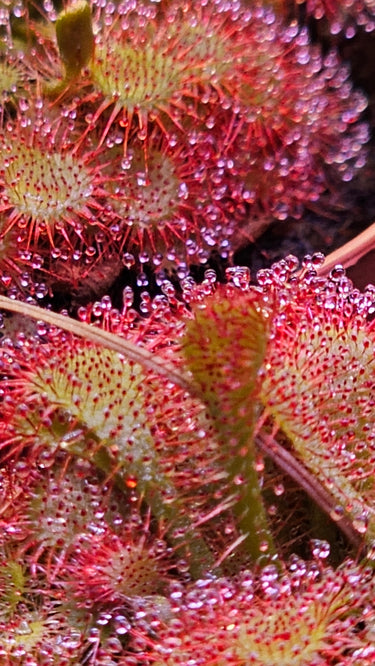
- Sundews (Drosera) — Fast-growing plants covered in glistening, sticky dew. Anything that lands gets stuck, no triggering required. Great generalists for fungus gnats, fruit flies, whiteflies, and other small flying pests.
- Butterworts (Pinguicula) — Compact, flypaper-style leaves that work the same way as sundews but in a smaller footprint — perfect for windowsills, desks, and kitchen counters.
- Venus Flytraps — Snap-shut traps built for prey that make direct contact with the trigger hairs, including flies, gnats, and — more often than you'd think — ants. A fantastic, low-maintenance addition to any collection.
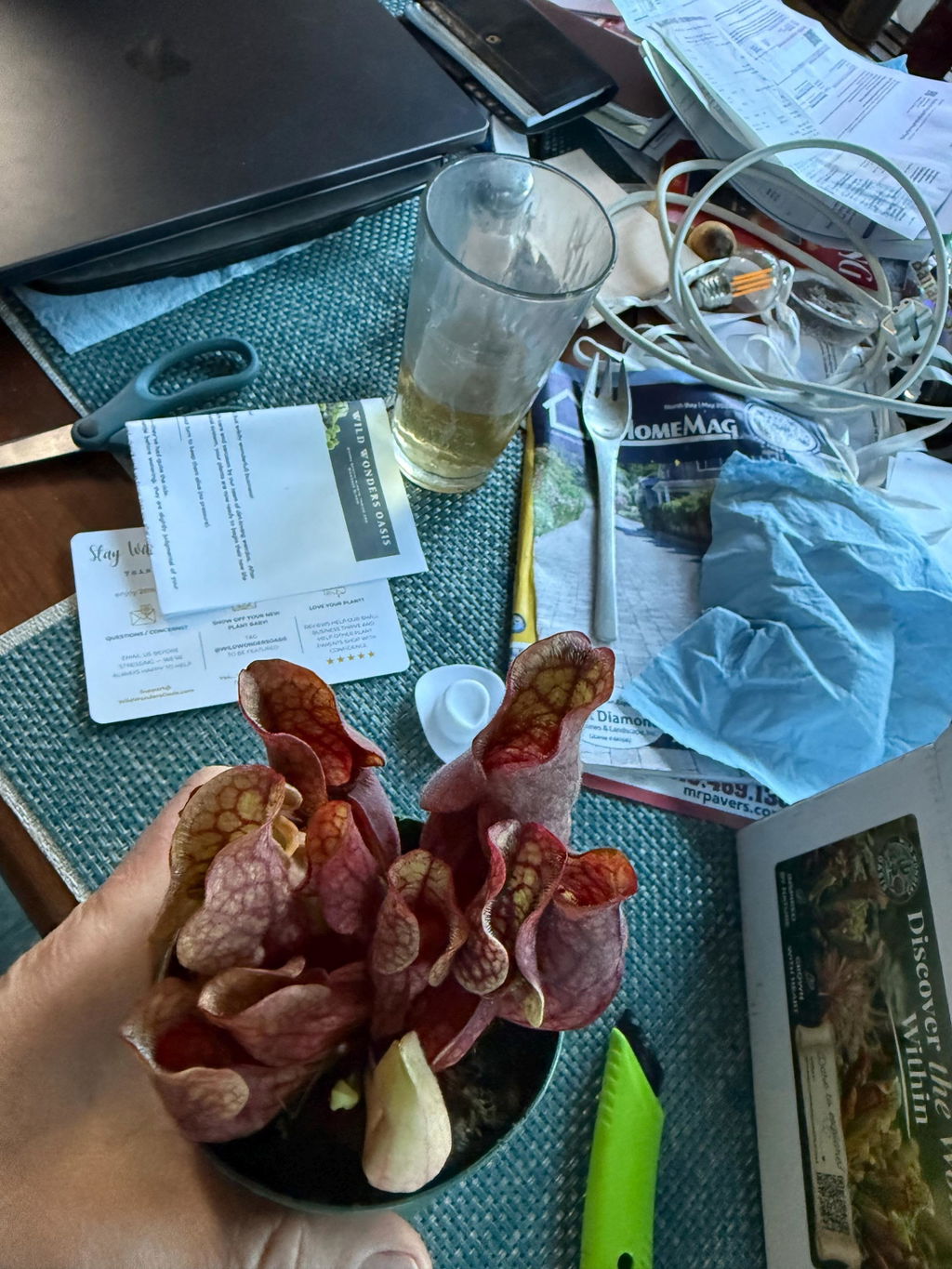
- Sarracenia (Pitcher Plants) — Tall, tube-shaped leaves that lure insects in with nectar and never let them climb back out. No triggering needed — just passive, always-on trapping for whatever wanders too close, including ants that climb the tube.
Pick Your Pest Problem
Not all household pests are the same, and neither are the best plants for catching them. Start with whichever one you're actually dealing with:
Fungus Gnats
Tiny, dark, mosquito-like flies hovering around your houseplant soil? Shop plants for fungus gnats →
Fruit Flies
Fast-breeding flies swarming the fruit bowl or the sink? Shop plants for fruit flies →
House Flies & Other Nuisance Flyers
House flies, moths, or other small flying insects getting in on warm days? Shop plants for house flies & gnats →
Ants
Foraging ants finding their way onto your plants or counters? Shop plants for ants →
Whiteflies & Aphids
Whiteflies or aphids bothering your other houseplants? Shop plants for whiteflies & aphids →
Mosquitoes
Hoping a plant will solve your mosquito problem? Here's the honest answer, plus what actually helps. Read the mosquito guide →
Good Habits Still Matter
Carnivorous plants work best paired with the basics, and the basics differ by pest: let the top inch or two of soil dry out between waterings to starve fungus gnat larvae; refrigerate ripening fruit and rinse recyclables to remove fruit fly breeding grounds; keep trash sealed and screens intact to keep house flies out; store food in sealed containers so ants have no reason to come inside; and — for mosquitoes specifically — dump standing water around your home at least twice a week, since that's the one pest no plant has been scientifically proven to fix. The plants handle the pests circling the room; good habits handle the rest.
Ready to Build Your Team?
Explore our full lineup on the collection pages above, or jump straight to a starter bundle:
- Gnat Slayer Starter Pack
- Sundew Collector Bundle
- Venus Flytrap Collector Bundle
- Venus Flytrap 'Maroon Monster'
Sources: University of Minnesota Extension (fungus gnats), University of Maryland Extension (fruit flies), UMD Extension (house flies), UMD Extension (ants), NC State University (2018 flytrap diet study), UMD Extension (mosquitoes), Colorado State University Extension (whiteflies & aphids).