How Carnivorous Plants Help With Mosquitoes | Wild Wonders Oasis
Why Carnivorous Plants (Honestly) Relate to Mosquitoes
Let's start with the honest answer: no plant, carnivorous or otherwise, has been scientifically proven to control mosquitoes. If a listing promises a plant that clears your yard of mosquitoes, be skeptical. What Sarracenia pitcher plants actually do is trap whatever flying insects wander into their tall, nectar-lined tubes — which can occasionally include a mosquito, but isn't a targeted defense against them. If mosquitoes are your main problem, the fix is mostly about water, not plants.
What Actually Works Against Mosquitoes
Mosquitoes lay eggs on or around standing water, and it doesn't take much — as little as a teaspoon can support a batch of larvae, and the whole lifecycle can finish in about four days. The most effective mosquito control is unglamorous: clear clogged gutters, dump standing water from planters and toys at least twice a week, keep bird baths fresh, and repair torn window screens. According to University of Maryland Extension, there are no plants scientifically found to keep mosquitoes away.
Where Sarracenia Fit In
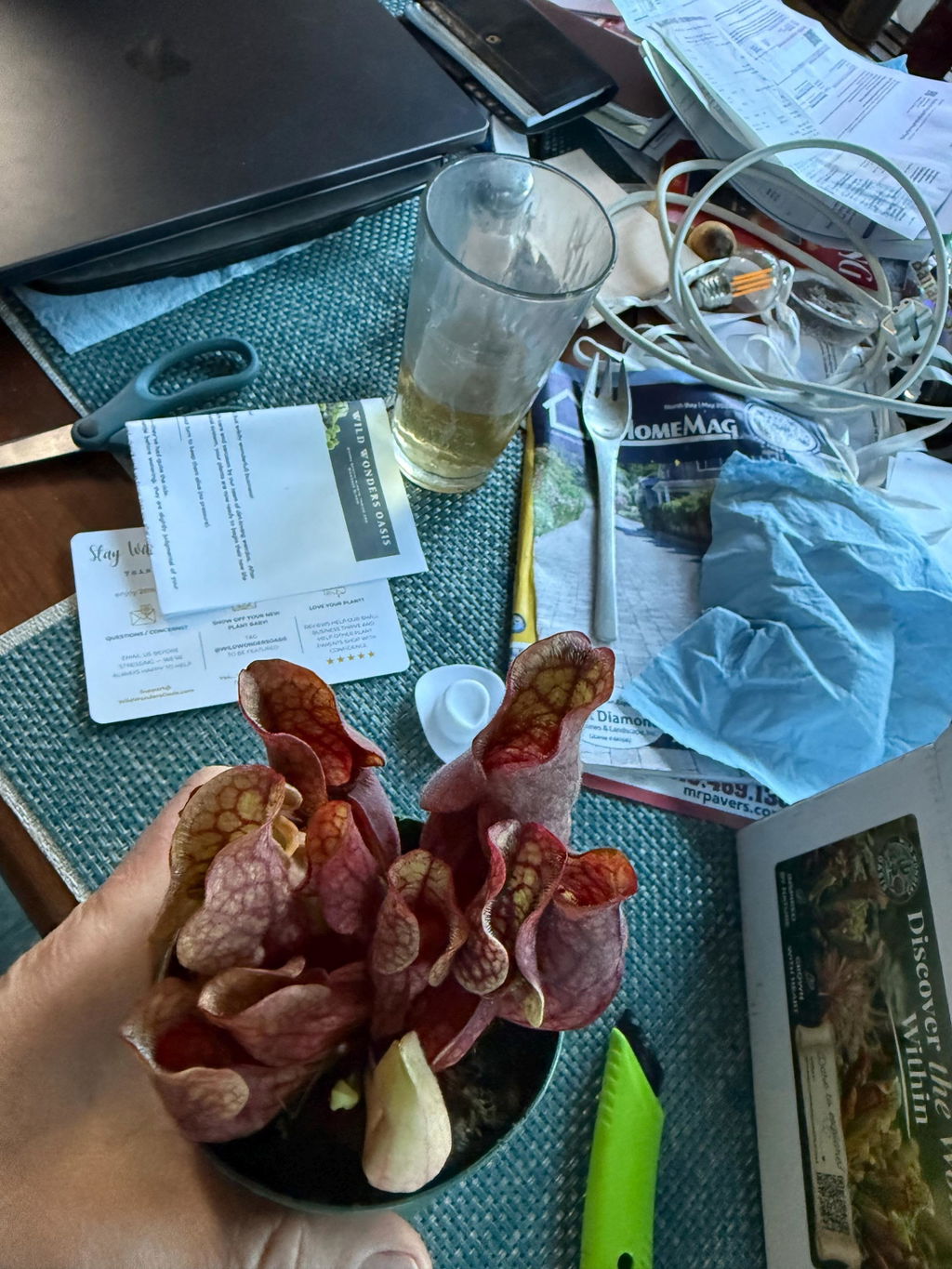
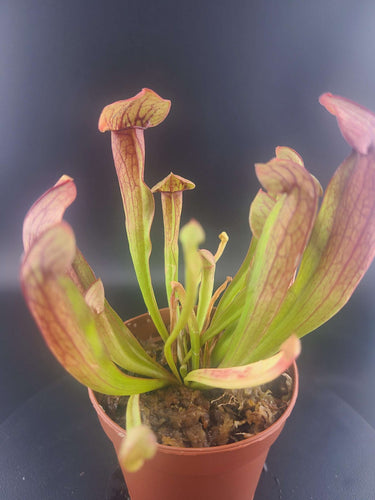
Sarracenia (pitcher plants) are passive trappers — their tube-shaped leaves lure insects with nectar and a slippery rim, and whatever falls in doesn't climb back out. That includes flies, gnats, wasps, and moths, and occasionally a mosquito. They're not a mosquito solution, but they're a genuinely low-maintenance, good-looking way to add some general insect trapping to a patio, porch, or bog garden, especially paired with the water-management habits above.
A Little Ecology
Interestingly, some Sarracenia purpurea populations actually host their own tiny native mosquito species, Wyeomyia smithii, which lives its entire larval life inside the water pooled in the pitcher, feeding on the remains of the plant's other prey. According to Rutgers Center for Vector Biology, it's a harmless, commensal relationship — a good reminder that pitcher plants are more of a fascinating self-contained habitat than a pest-control appliance.
Source: University of Maryland Extension – Controlling Mosquitoes
Our Pitcher Plant Picks

Sarracenia Maroon - your sassy new best baby
Deep maroon pitchers that stay compact — a great first Sarracenia.
View product →
Sarracenia leucophylla – White Top Pitcher Plant, Live Carnivorous Bog Plant (Bare Root)
Tall, dramatic pitchers with pale, vein-marked hoods — a real showstopper outdoors.
View product →
Sarracenia purpurea – Purple Pitcher Plant (Medium), Cold Hardy Live Carnivorous Bog Plant (Bare Root)
Deep purple pitchers with a gothic streak — a compact classic pick.
View product →Which One's Right for You?
| Plant | Best for | Experience level | Trap style |
|---|---|---|---|
| Sarracenia Purpurea (Gothic Bug-Munching Beauty) | Bold color, easy care, patio or bog garden | Beginner | Tall nectar-lined pitcher tubes |
| Sarracenia Maroon | Deep color accent, compact spaces | Beginner | Tall nectar-lined pitcher tubes |
| Sarracenia Leucophylla | Dramatic height, outdoor bog gardens | Beginner–Intermediate | Tall nectar-lined pitcher tubes |
How to Get the Best Results

Light
Sarracenia want as much direct sun as you can give them — 6+ hours a day brings out the best pitcher color

Water
Keep them consistently damp; standing the pot in a shallow tray of distilled, rain, or RO water works well

Soil
Use a nutrient-free mix like sphagnum peat with perlite or sand — never potting soil or fertilizer

Dormancy
Most Sarracenia need a cold winter rest outdoors or in an unheated space — dying-back pitchers in fall/winter are normal
FAQ
No plant has been scientifically proven to control mosquitoes, including carnivorous ones. Sarracenia pitcher plants trap whatever flying insects wander into their tube-shaped leaves, which can occasionally include a mosquito, but that's incidental, not a guarantee. If mosquitoes are your main problem, the most effective fix is removing standing water around your home, since that's where they breed.
We offer standard and express shipping options. Delivery times vary based on your location. You can choose this at checkout based upon your preferences.
Yes, we have a live arrival guarantee. If you have any problems please contact us within 48 hours of delivery with images of the plants so we can support diagnosis of the plant issues and advise on next steps.
Please note returns are not possible due to potential for contamination of our nursery.
Yes — Sarracenia want more sun than most houseplants, ideally 6+ hours of direct light a day, and they like consistently damp, nutrient-free soil (a sphagnum peat and perlite or sand mix works well). Water only with rain, RO, or distilled water, and never add fertilizer.
Most Sarracenia also need a cold winter dormancy period outdoors or in an unheated space — it's normal for pitchers to die back this time of year, so don't panic.
Yes and no. Carnivorous plants do not tend to attract pet attention, but it's best to keep them away from curious noses — the sticky dew or snapping traps can irritate eyes and noses, and upset stomachs if ingested.
This is no different than most houseplants. If your pet loves to nibble, a terrarium or shelf out of reach solves it.
Sarracenia are genuinely beginner-friendly — give them sun, keep them damp, and use the right soil, and they mostly take care of themselves. On our site we provide a Grower Expertise filter you can filter plants by, plus care tips for each plant.
Absolutely! Every plant ships with a plant care guide, plus a QR code linking to more detailed care info on our site.
Looking for even more depth? We offer a collection of digital care guides you can download instantly after purchase.
Shop the Picks




Still not sure which plant is right for you?
Take our 1-minute quiz and get plant recommendations based on your space, experience, and goals!
Plant Care Guides & Digital Goodies


Beginner Friendly
Clear care tips on every listing, no green thumb required.
4.9-Star Reviews
Rated 4.9/5 from 111+ real customers.
Live Arrival Guarantee
Arrives happy or we make it right.
Family-Run Nursery
Nursery-grown and hand-packed by our team.