How Carnivorous Plants Help With Whiteflies & Aphids | Wild Wonders Oasis
How Carnivorous Plants Help With Whiteflies & Aphids
If you've battled whiteflies or aphids on other houseplants, you've probably already tried yellow sticky traps — they're a standard, extension-recommended tool for catching the flying adult stage. Sundews and butterworts do the same job, except they're alive, they regenerate their own sticky surface, and they double as an interesting plant in their own right.
What Whiteflies and Aphids Actually Do
According to Colorado State University Extension, whitefly nymphs and aphids feed on plant sap from the undersides of leaves, weakening the plant and leaving behind sticky honeydew. Adult whiteflies are winged and gnat-like, covered in fine white wax, while aphids reproduce quickly on tender new growth.
Why Trapping Alone Isn't Enough
CSU Extension is direct about this: "trapping alone will not eliminate problems because much of the population...remain on or around the plants." Sticky traps, whether store-bought or a living sundew leaf, only catch the flying adults — the nymphs feeding on the leaves themselves need to be addressed separately, usually with regular water-washing or manual removal.
Where Sundews and Butterworts Fit In
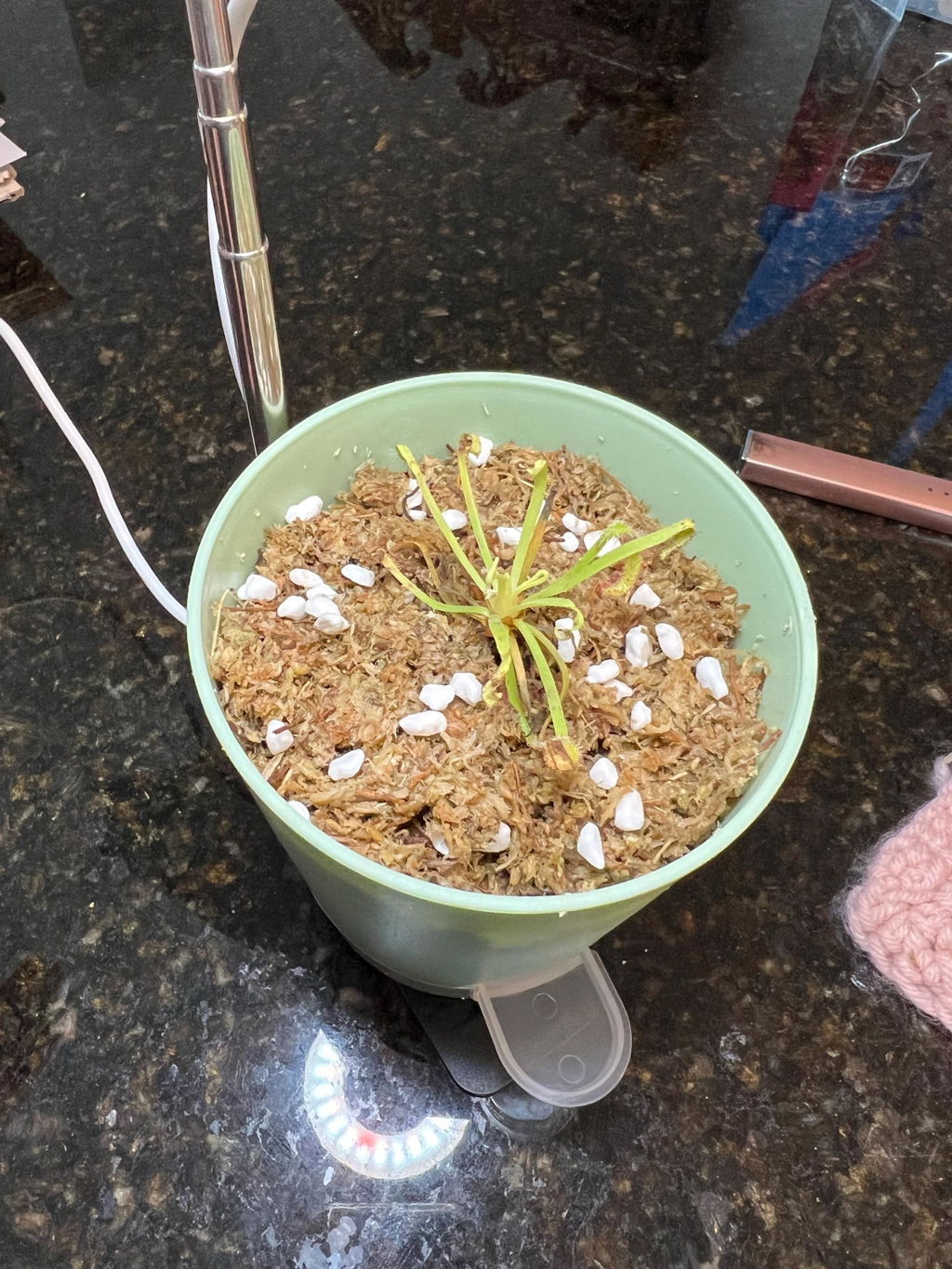
Sundews (Drosera) and butterworts (Pinguicula) keep their leaves covered in glistening, sticky dew that traps flying adults on contact, the same mechanism as a yellow sticky trap, just alive and permanent. Placed near vulnerable houseplants, they add a passive, always-on layer of adult-stage control, best paired with regular water-washing of the plants themselves to knock down the nymphs sticky traps can't reach.
Source: Colorado State University Extension – Managing Houseplant Pests
Our Sundew & Butterwort Picks

Drosera capensis – Cape Sundew, Live Carnivorous Plant, Beginner Friendly (Bare Root)
Our classic glittering sundew, always hunting.
View product →Compact, jewel-toned butterwort — great for tight spaces near other houseplants.
View product →
Drosera capensis ‘Mini Red’ – Ruby Jewel Carnivorous Sundew
A compact ruby sundew that tucks in among other plants without taking over the shelf.
View product →Which One's Right for You?
| Plant | Best for | Experience level | How it traps them |
|---|---|---|---|
| Cape Sundew | Active infestations, fast coverage | Beginner | Sticky, dew-covered leaves trap adults on contact |
| Drosera Mini Red | Tight spaces among other houseplants | Beginner | Compact sticky-trap leaves |
| Pinguicula (Butterwort) | Shelves and windowsills near vulnerable plants | Beginner | Flypaper-style leaves, always on |
How to Get the Best Results

Light
Bright, indirect light is best for most carnivorous plants

Water
Use distilled, rain, or reverse osmosis water

Soil
Use the right soil - low nutrient sphagnum moss or peat moss works great. Do not use any growing medium with fertilizer

Advanced tips
Place your sundew or butterwort right next to vulnerable houseplants for the best trapping coverage
FAQ
It'll help, but it's not a full solution on its own. Sundews and butterworts trap the flying adult stage the same way a yellow sticky trap does, and Colorado State University Extension notes that trapping alone won't eliminate an infestation, since much of the population lives on the plant itself as nymphs. Pair a sundew or butterwort with regular water-washing of affected plants and you'll cover both stages.
We offer standard and express shipping options. Delivery times vary based on your location. You can choose this at checkout based upon your preferences.
Yes, we have a live arrival guarantee. If you have any problems please contact us within 48 hours of delivery with images of the plants so we can support diagnosis of the plant issues and advise on next steps.
Please note returns are not possible due to potential for contamination of our nursery.
Yes! Carnivorous plants have adapted to grow in low nutrient environments. Because of this it is very important that you do not use regular soil to plant your new carnivorous plants.
Instead use sphagnum moss or peat moss that has been rinsed three times with rain, RO, or distilled water. Only water with rain, RO, or distilled water.
Yes and no. Carnivorous plants do not tend to attract pet attention, but it's best to keep them away from curious noses — the sticky dew or snapping traps can irritate eyes and noses, and upset stomachs if ingested.
This is no different than most houseplants. If your pet loves to nibble, a terrarium or shelf out of reach solves it.
Sundews and butterworts are some of the easiest carnivorous plants to grow. On our site we provide a Grower Expertise filter you can filter plants by, plus care tips for each plant.
Absolutely! Every plant ships with a plant care guide, plus a QR code linking to more detailed care info on our site.
Looking for even more depth? We offer a collection of digital care guides you can download instantly after purchase.
Shop the Picks


Still not sure which plant is right for you?
Take our 1-minute quiz and get plant recommendations based on your space, experience, and goals!
Plant Care Guides & Digital Goodies


Beginner Friendly
Clear care tips on every listing, no green thumb required.
4.9-Star Reviews
Rated 4.9/5 from 111+ real customers.
Live Arrival Guarantee
Arrives happy or we make it right.
Family-Run Nursery
Nursery-grown and hand-packed by our team.