Pet-Safe Carnivorous Plants (And What to Actually Watch For)
Carnivorous plants eat bugs, not curious pets. Every plant in this collection is confirmed non-toxic to cats and dogs, so you don't have to cross-reference every label yourself before bringing one home.
What "Non-Toxic" Actually Means
The ASPCA maintains an official list of plants toxic and non-toxic to cats, dogs, and horses — and the Venus flytrap is specifically listed as non-toxic to all three. The sundews, butterworts, and Sarracenia pitcher plants in this collection follow the same pattern: they're built to trap and digest insects, not to poison mammals.
The Real Everyday Risk
The bigger practical concern isn't toxicity — it's curiosity. The sticky mucilage on a sundew or butterwort leaf can mildly irritate a pet's nose, paw, or eyes on contact, and a knocked-over pot is a more common mishap than any actual ingestion. Keeping plants on a stable shelf, in a terrarium, or somewhere elevated solves most of it.
When in Doubt
If you're considering a carnivorous plant not listed on this page, or you're unsure whether your pet ingested part of one, contact your veterinarian or the ASPCA Animal Poison Control Center. For the plants featured here, mild stomach upset is the most likely outcome of a curious nibble.
Yes — every plant in this collection is non-toxic to cats and dogs. The ASPCA specifically lists the Venus flytrap as non-toxic to dogs, cats, and horses, and the same holds for the sundews, butterworts, and pitcher plants we carry here. Carnivorous plants are built to trap insects, not curious pets.
We offer standard and express shipping options. Delivery times vary based on your location. You can choose this at checkout based upon your preferences.
Yes, we have a live arrival guarantee. If you have any problems please contact us within 48 hours of delivery with images of the plants so we can support diagnosis of the plant issues and advise on next steps.
Please note returns are not possible due to potential for contamination of our nursery.
For the plants in this collection, mild stomach upset is the most likely outcome if a pet nibbles a leaf — not poisoning. If you're ever unsure about a specific plant not listed here, contact your vet or the ASPCA Animal Poison Control Center.
Honestly, it's less about toxicity and more about curiosity. The sticky dew on a sundew or butterwort can irritate a pet's nose or eyes on contact, and a knocked-over pot is a bigger everyday risk than anything in the leaves themselves. Keeping plants on a stable shelf or in a terrarium solves most of it.
Pet-safe carnivorous plants are genuinely beginner-friendly. On our site we provide a Grower Expertise filter you can filter plants by, plus care tips for each plant.
Absolutely! Every plant ships with a plant care guide, plus a QR code linking to more detailed care info on our site.
Clear care tips on every listing, no green thumb required.
Family-Run Nursery
Nursery-grown and hand-packed by our team.
Live Arrival Guarantee
Arrives happy or we make it right.
4.9-Star Reviews
Rated 4.9/5 from 111+ real customers.
🌿 Get on the Wild List! 🌵
Be the first to know about rare plant drops, flash sales, and bug-munching beauties. ✅ First dibs on new arrivals ✅ Exclusive subscriber-only deals ✅ Juicy plant tips & care hacks
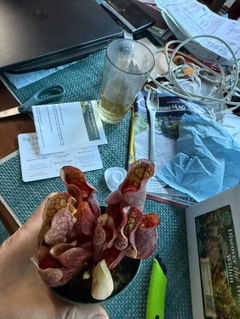
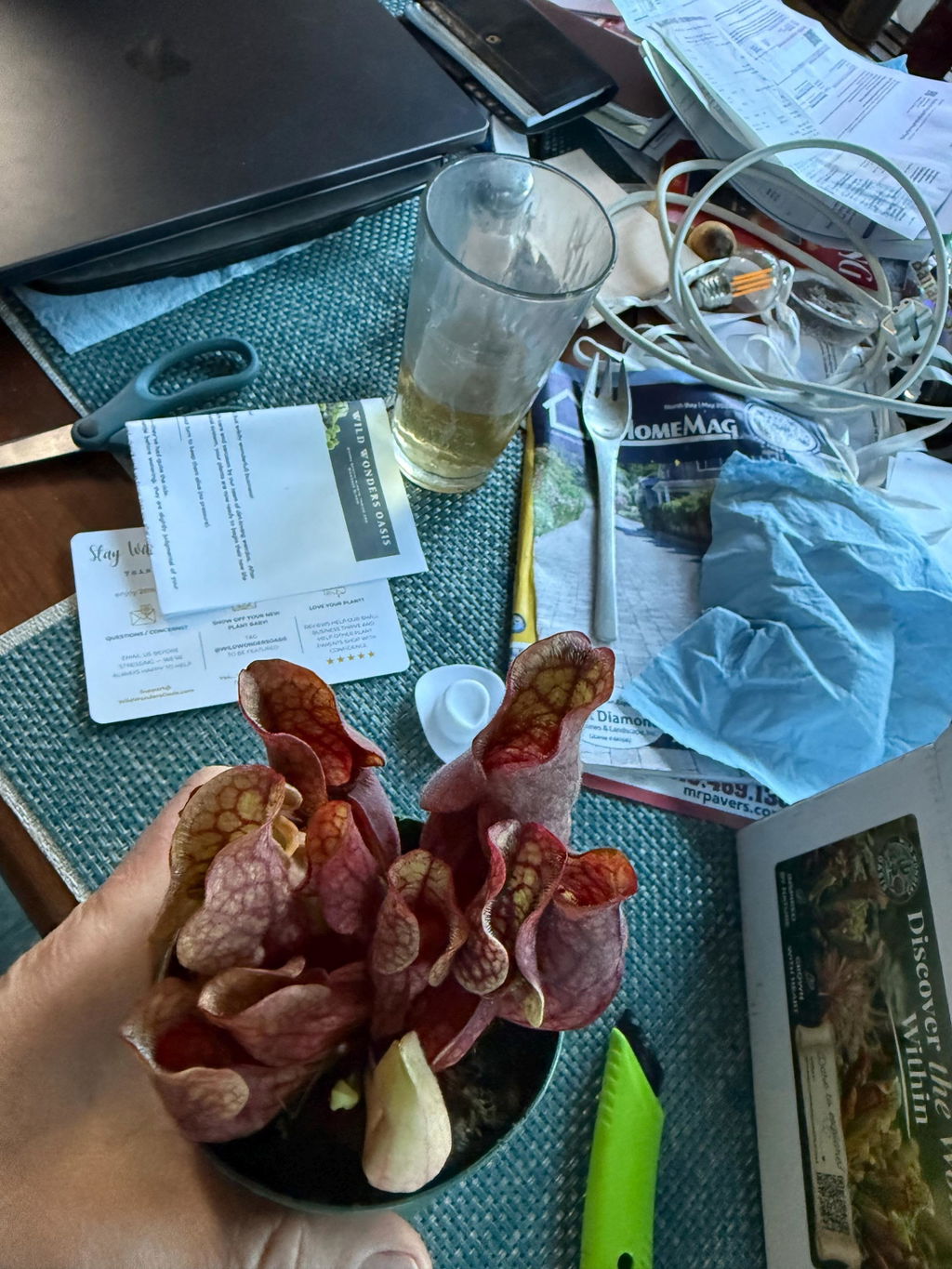
Amazing plant, I was so blown away what a beauty. My little baby took longer than I expected but I reached out and received a response right away. I’m thrilled. Will definitely buy again.
Sarracenia purpurea – Purple Pitcher Plant (Large), Cold Hardy Live Carnivorous Bog Plant (Bare Root)
Jenny Summers
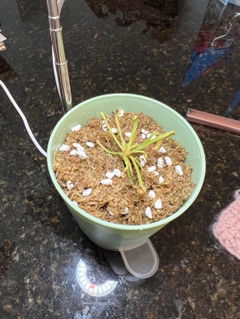
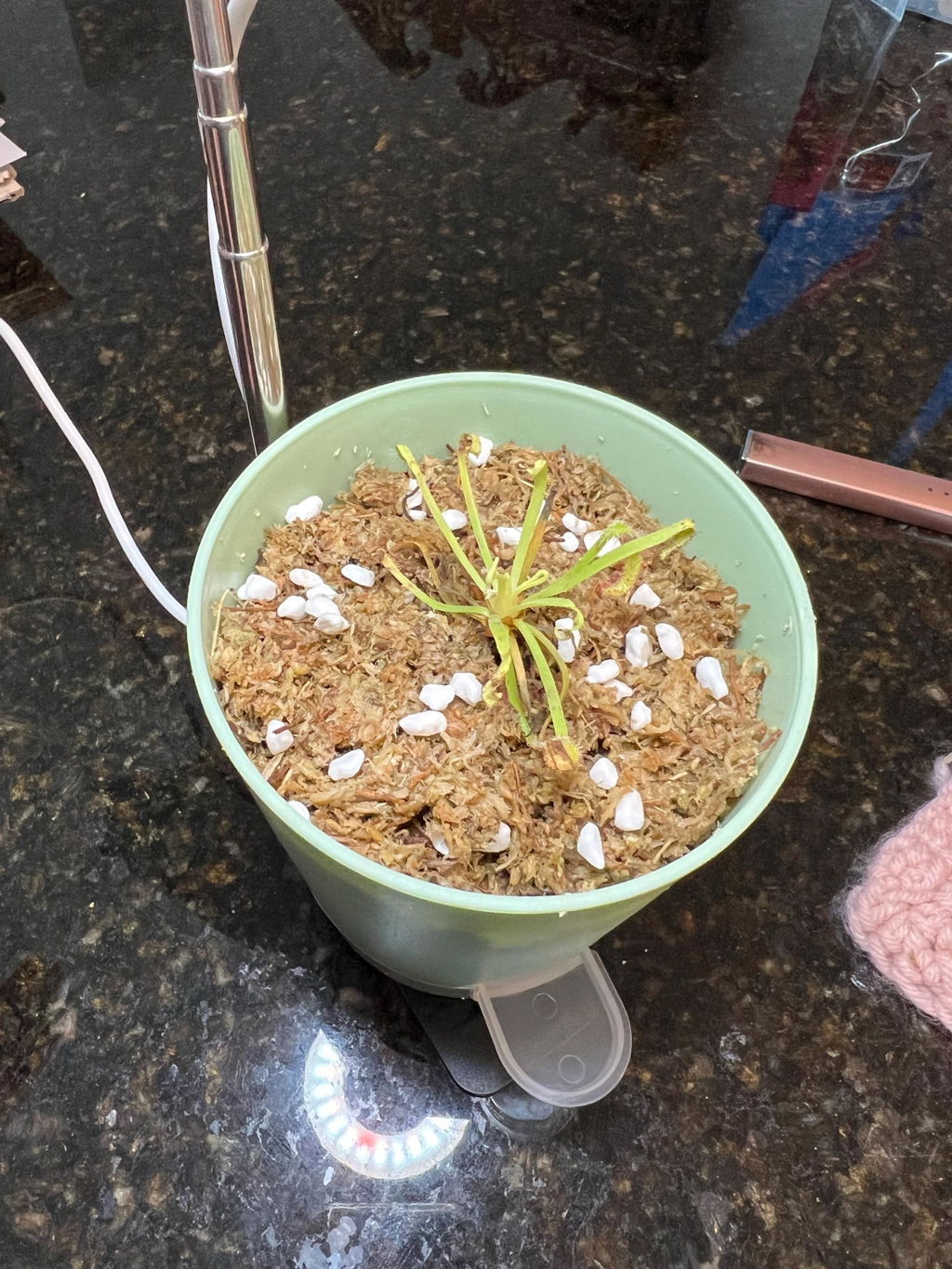
My sundew is so cute! A little sad (like they warned) but perked up once I potted her.
Amazing plant, I was so blown away what a beauty. My little baby took longer than I expected but I reached out and received a response right away. I’m thrilled. Will definitely buy again.