

How Carnivorous Plants Help With Fruit Flies | Wild Wonders Oasis
Why Carnivorous Plants Help with Fruit Flies
Fruit flies seem to appear out of nowhere the second a banana goes soft or a wine glass sits out too long. They breed fast — a female can go from egg to flying adult in about a week and a half — so once you spot a few, more are already on the way. Good kitchen habits knock out their breeding grounds, and a sundew or butterwort on the counter catches the adults that are already circling, so the population never gets a foothold.
Why Fruit Flies Multiply So Fast
Fruit flies are tiny — about 1/8 inch long — but the trouble is their speed. Females lay eggs directly on overripe produce, fermenting liquids, or anything sugary and damp, and larvae only need 5–6 days to develop before pupating nearby. Start to finish, a new generation can be flying around your kitchen in about 8–10 days.
What Draws Them In
Wine, beer, fruit juice, vinegar, overripe fruit, and even damp mops or towels are all enough to sustain a breeding population. Refrigerating fruit, rinsing recyclables before they go in the bin, and keeping cleaning cloths dry between uses all remove the breeding grounds fruit flies rely on.
How Carnivorous Plants Help
Sundews and butterworts don't wait for fruit flies to land somewhere inconvenient — their leaves stay covered in sticky, glistening dew that traps adults on contact, the moment they get curious about a kitchen windowsill. Keeping one near the fruit bowl or the sink gives you a passive trap that's working even when you're not thinking about it, catching adults before they get the chance to lay another round of eggs.
Picking the Right Plant for Your Counter
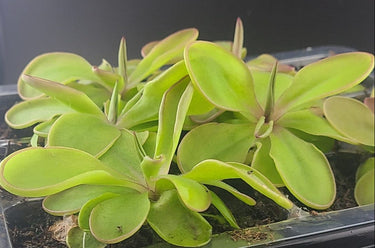
Cape sundews and other Drosera capensis varieties are fast-growing and cover a lot of sticky surface area, which makes them well-suited to an active infestation. Pinguicula (butterworts) stay compact, so they're an easy fit on a narrow windowsill or a small kitchen shelf.
Source: University of Maryland Extension – Fruit Flies
Top Carnivorous Plants for Fruit Flies

Drosera capensis ‘Alba’ – The Ghostly White Cape Sundew 🤍✨🪰
Ghostly white sundew covered in glistening dew — fruit flies land and never leave.
View product →
Drosera capensis ‘Cape Sundew’ – Sparkling Carnivorous Beauty ✨
Our classic glittering sundew. Fast-growing and always hunting.
View product →
Drosera capensis ‘Mini Red’ – Ruby Jewel Carnivorous Sundew ❤️✨
A compact ruby-red sundew that packs serious sticky-trap power into a small pot.
View product →Which One's Right for You?
| Plant | Best for | Experience level | How it traps fruit flies |
|---|---|---|---|
| Cape Sundew | Active infestations, fast coverage | Beginner | Sticky, dew-covered leaves trap adults on contact |
| Drosera Mini Red | Small counters and shelves | Beginner | Compact sticky-trap leaves, low footprint |
| Pinguicula (Butterwort) | Windowsills near the fruit bowl | Beginner | Flypaper-style leaves, no misting or soil moisture needed |
How to Get the Best Results

Light
Bright, indirect light is best for most carnivorous plants

Water
Use distilled, rain, or reverse osmosis water

Soil
Use the right soil - low nutrient sphagnum moss or peat moss works great. Do not use any growing medium with fertilizer

Advanced tips
Be patient! Let the plant adjust and start catching. Combine with good watering habits to reduce gnats faster
FAQ
They'll significantly reduce the population over time, especially paired with good kitchen hygiene (rinsing produce, taking out compost, not leaving ripe fruit out). Sundews and butterworts trap adult flies continuously, which breaks the breeding cycle faster than swatting ever could.
We offer standard and express shipping options. Delivery times vary based on your location. You can choose this at checkout based upon your preferences.
Yes, we have a live arrival guarantee. If you have any problems please contact us within 48 hours of delivery with images of the plants so we can support diagnosis of the plant issues and advise on next steps.
Please note returns are not possible due to potential for contamination of our nursery.
Yes! Carnivorous plants have adapted to grow in low nutrient environments. Because of this it is very important that you do not use regular soil to plant your new carnivorous plants.
Instead use sphagnum moss or peat moss that has been rinsed three times with rain, RO, or distilled water. Only water with rain, RO, or distilled water.
Yes and no. Carnivorous plants do not tend to attract pet attention, but it's best to keep them away from curious noses — the sticky dew can irritate eyes and noses, and upset stomachs if ingested.
This is no different than most houseplants. If your pet loves to nibble, a terrarium or shelf out of reach solves it.
Sundews and butterworts are some of the easiest carnivorous plants to grow. On our site we provide a Grower Expertise filter you can filter plants by, plus care tips for each plant.
Absolutely! Every plant ships with a plant care guide, plus a QR code linking to more detailed care info on our site.
Looking for even more depth? We offer a collection of digital care guides you can download instantly after purchase.
Shop the Picks



Still not sure which plant is right for you?
Take our 1-minute quiz and get plant recommendations based on your space, experience, and goals!
Plant Care Guides & Digital Goodies


Beginner Friendly
Clear care tips on every listing, no green thumb required.
4.9-Star Reviews
Rated 4.9/5 from 111+ real customers.
Live Arrival Guarantee
Arrives happy or we make it right.
Family-Run Nursery
Nursery-grown and hand-packed by our team.


