
Where Plants Get Loud, Weird, and Wonderfully Informative
🌵 The Wild Wonders Blog
Welcome to the official blog of Wild Wonders Oasis—your go-to source for quirky plant facts, expert care tips, behind-the-scenes nursery peeks, and the occasional cactus with a superiority complex.
Here, we dig into everything from caudiciform oddities and carnivorous plant drama to succulent styling hacks and seasonal care advice. Whether you're a seasoned collector or a new plant parent just trying to keep things alive, we’ve got dirt you’ll want to read.
🪴 New posts sprouting regularly.
Grab your watering can—and your sense of humor—and let’s grow wild together.
How to Get Rid of Fungus Gnats (Without Nuking Your Houseplants)
If you’ve ever watered your plants and suddenly summoned a cloud of tiny flying demons, congratulations — you’ve met fungus gnats.
They’re rude.
They’re persistent.
And they act like your houseplant collection is an all-you-can-eat buffet.
But before you declare chemical warfare or sentence your plants to the compost pile, take a deep breath. We’re about to show you how to evict fungus gnats naturally — with a little help from some carnivorous companions that literally live for this moment.
Spoiler alert: this solution bites back. 😈🌿
What Are Fungus Gnats (and Why Are They Ruining Your Life)?
Fungus gnats are tiny black flies that thrive in moist soil, laying eggs that hatch into larvae that feed on organic matter — and sometimes your plant roots. Cute.
They love:
-
Overwatered houseplants
-
Rich, damp potting mixes
-
Warm indoor conditions
They hate:
-
Dry soil
-
Natural predators
-
Carnivorous plants with zero chill
Why Sprays & “Fixes” Often Make Things Worse
Most quick-fix solutions:
-
Kill beneficial microbes
-
Stress your plants
-
Don’t break the gnat life cycle
-
Smell like regret
Yellow sticky traps? Helpful — but they’re basically a band-aid on a gnat apocalypse.
If you want real, ongoing control, you need a system that:
✔ Targets adults
✔ Reduces larvae
✔ Doesn’t harm your plants
✔ Looks cool doing it
Enter: Carnivorous Plants 🦷🌱
The Secret Weapon: Carnivorous Companion Plants
Carnivorous plants aren’t just weird — they’re functional decor with murderous intent.
Placed near your problem plants, they:
-
Attract fungus gnats naturally
-
Trap and digest adults
-
Reduce future egg-laying
-
Do it without chemicals, sprays, or drama
Think of them as tiny plant bouncers for your indoor jungle.
Best Carnivorous Plants for Fungus Gnat Control
🌸 Drosera (Sundews) — The Gnat Magnet
Sticky, sparkly, and absolutely ruthless.
Why they work:
-
Glistening dew attracts flying insects
-
Gnats get stuck → plant digests → problem solved
-
Perfect for windowsills and indoor setups
Best for:
✔ Heavy gnat infestations
✔ Indoor plant collections
✔ “I want results AND aesthetics”
👉 Drosera capensis is a fan favorite for beginners and gnat chaos.
Pinguicula (Butterworts) — Small but Savage
They look innocent. They are not.
Why they work:
-
Flat, sticky leaves trap gnats effortlessly
-
Compact size fits anywhere
-
Low maintenance and stylish
Best for:
✔ Desks, shelves, small pots
✔ Light gnat issues
✔ Plant parents who love minimalist vibes
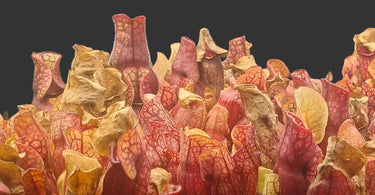
🏹 Sarracenia — The Flying Insect Trap (Outdoors or Bright Indoors)
Tall, elegant pitchers that act like one-way insect slides.
Why they work:
-
Lure flying pests with nectar
-
Gnats fall in and don’t come back
-
Excellent for sunrooms, patios, and greenhouses
Best for:
✔ Larger infestations
✔ Bright spaces
✔ Dramatic plant parents
How to Use Carnivorous Plants as Gnat Control (The Right Way)
-
Place them near the problem plants
Gnats follow moisture — put the trap where the party is. -
Don’t spray pesticides
Carnivorous plants are living systems, not fly paper. -
Use distilled or rainwater only
These plants are fancy. Respect that. -
Combine with better watering habits
Let soil dry slightly between waterings to break the gnat life cycle.
Why This Works Better Than Chemical Control
✔ No toxins
✔ No resistance buildup
✔ No plant stress
✔ Ongoing, passive pest control
✔ Looks incredible on Instagram
Plus, you get to casually say:
“Oh this? It eats bugs.”
Which is priceless.
Where to Get Fungus-Gnat-Fighting Carnivorous Plants
At Wild Wonders Oasis, we specialize in:
-
Beginner-friendly carnivorous plants
-
Healthy, ethically grown specimens
-
Detailed care guidance (because we want you to win)
Our carnivorous plants are:
🌱 Gnat-destroying
🌱 Surprisingly easy
🌱 Certified conversation starters
👉 Shop Carnivorous Plants Now and let nature do the dirty work.
Final Verdict: Let the Plants Handle It
You could fight fungus gnats with sprays, traps, and frustration.
Or…
You could introduce a plant that wakes up every day ready to eat your problems.
Stay wild.
Stay curious.
Stay fungus-gnat free. 🌿💀
Featured Collection


