

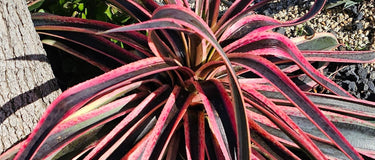
What Is a Mangave?
Mangave is a hybrid genus created by crossing Agave (the classic spiky desert plant) with Manfreda (a softer, often spotted relative). The result is a plant that combines agave's architectural form and drought tolerance with manfreda's faster growth rate, softer leaf texture, and striking spotted or mottled foliage. Mangaves have exploded in popularity among succulent collectors for good reason — they're bold, low-maintenance, and unlike anything else in a garden or container planting.
Light
Mangaves thrive in full sun to bright indirect light. Outdoors, a spot with 6+ hours of direct sun produces the most compact, colorful growth and the best spotting patterns. In lower light, plants grow faster but become looser and less intensely colored.
Indoors, place in the brightest available window — south-facing is ideal. Mangaves can be grown under strong grow lights (5000+ lux) but truly shine outdoors in a sunny spot.
Acclimation tip: If moving a Mangave from indoors to full outdoor sun, do it gradually over 1–2 weeks to prevent sunburn. Start with morning sun only, then increase exposure.
Watering
Mangaves are significantly more drought-tolerant than most succulents, but they grow faster and look better with regular watering during the growing season.
- Spring through fall (active growth): Water when the top 2 inches of soil are dry — roughly every 1–2 weeks depending on conditions. Water deeply and let drain completely.
- Winter: Reduce to once a month or less. Mangaves are cold-hardy to about 20°F when dry, but wet soil in cold temperatures causes rot.
Always use pots with drainage holes. Mangaves in containers dry out faster than in-ground plants and need more frequent monitoring.
Soil
Use a fast-draining succulent or cactus mix. Mangaves are not as sensitive to soil quality as carnivorous plants, but they absolutely need good drainage. A mix of 50% quality potting soil and 50% perlite or pumice works well. Browse our Dirt That Gets It collection for suitable substrates.
Temperature & Cold Hardiness
One of Mangave's best features is its cold hardiness — most varieties handle temperatures down to 15–20°F when the soil is dry, making them suitable for outdoor growing in USDA zones 7–11. They're far more cold-tolerant than most succulents, which opens up planting options in cooler climates.
In climates with wet winters, grow in containers so you can move them under cover during prolonged rain — it's the moisture combined with cold that causes problems, not the cold alone.
Seasonal Color & Spotting
Mangave foliage color and spotting intensity change with the seasons and growing conditions:
- Full sun + mild stress: Produces the most vivid spotting, deepest purples, and most compact rosettes
- Cool temperatures: Often intensifies color in many varieties
- Low light or rapid growth: Foliage becomes greener and less spotted
Our Mangave 'Snow Leopard' is a particularly striking variety — its bold spotted pattern intensifies beautifully in bright light and cooler conditions.
Fertilizing
Mangaves are light feeders. Apply a balanced, diluted liquid fertilizer (half strength) once a month during spring and summer. Stop fertilizing in fall and winter. Over-fertilizing produces lush but weak, less colorful growth.
Repotting
Repot in spring when the plant has outgrown its container or when the soil has degraded (usually every 2–3 years). Mangaves grow faster than most agaves, so they may need repotting more frequently than expected. Handle with gloves — leaf tips can be sharp.
Common Problems
- Soft, mushy base: Root rot from overwatering or poor drainage. Unpot, remove affected roots, let dry, repot in fresh mix.
- Pale, washed-out color: Insufficient light. Move to a brighter location.
- Mealybugs: Check leaf axils and the base of the rosette. Treat with 70% isopropyl alcohol on a cotton swab, followed by neem oil spray.
- Agave weevil: A serious pest in warm climates. Larvae bore into the base and can kill the plant. Prevention is key — inspect regularly and avoid wounding the plant.
Shop Mangave & Succulents
- Mangave 'Snow Leopard' — spotted, sculptural, show-stopping
- Succulents Squad — full succulent collection
- Best Sellers — our most popular plants
- Ultimate Succulent Plant Guide (Digital Download)


